Nigeria’s remote tech workers spend up to ₦390,000 a month on power. It’s still not enough to work
**Title: Nigeria's Remote Tech Workers Struggle with Unstable Power, Heavy Expenses**
As Nigeria continues to grapple with its long-standing power instability issue, remote tech workers in the country are paying a hefty price for their work. For digital animator Ayodeji, a resident of Lagos, the struggle is real. Despite having multiple backup power sources, including a 4KVA generator and an inverter with four batteries, he still experiences frequent power outages, making it difficult to work.
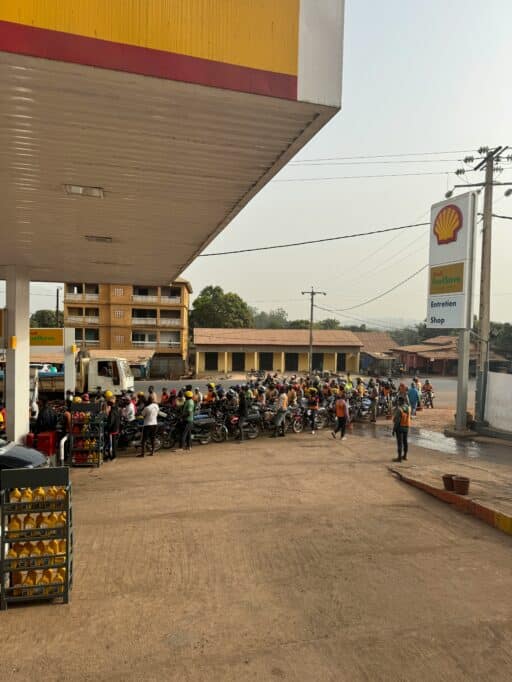
Ayodeji's experience is not unique. Many Nigerians, particularly those in urban areas, rely on generators as a backup power source due to the unreliability of the national grid. However, the recent spike in petrol prices has placed a significant strain on their finances. The price of petrol has increased from around ₦1,000 to as high as ₦1,300 per litre in some locations, making it harder for remote workers to afford the resources they need to do their jobs.
According to estimates, the cost of powering a remote worker's equipment and home can be as high as ₦390,000 per month. This is a substantial amount of money, especially for those who are already struggling to make ends meet. The situation is further complicated by the fact that many Nigerians rely on generators, which consume a significant amount of fuel, adding to the financial burden.
In the past two weeks, Ayodeji has spent ₦54,000 on petrol to fill his two 25-litre jerrycans, a 35% increase from just a few weeks ago. This amount is equivalent to almost ₦2,300 per day, which is a significant chunk of his income.
The power crisis in Nigeria is not new, with the country recording 244 grid collapses between 2010 and 2025. However, the recent gas shortages and price hikes have made the situation worse. The Dangote Refinery's recent price hikes have added to the woes of Nigerians, with petrol prices increasing from ₦774 to ₦1,175 in just a few days.
For remote tech workers like Ayodeji, the consequences of Nigeria's power instability are real. They are forced to spend a significant portion of their income on fuel, leaving them with little to no resources to invest in their work or personal lives. The situation is a stark reminder of the need for the government and private sector to work together to address Nigeria's power crisis and provide a more stable and reliable energy supply to its citizens.
Source: Original Article • AI-enhanced version for clarity & Nigerian context
Related Stories