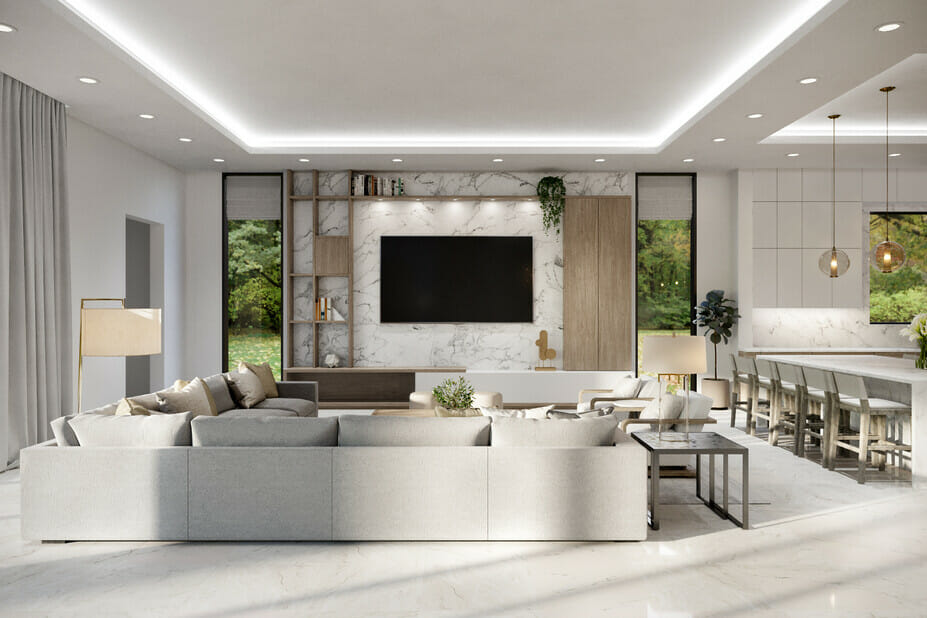
Nigeria's residential buildings of the future will require self-sustaining power systems and infrastructure for electric vehicles to remain relevant and meet the evolving needs of residents. Festus Adebayo, CEO of the Africa International Housing Show (AIHS), made this assertion ahead of the organisation's 20th annual event.
The housing landscape in Nigeria is changing rapidly, with increasing demands for energy and mobility. To stay ahead of this curve, future homes will need to be designed with self-powered systems and equipped to accommodate electric vehicles.
Adebayo's statement underscores the need for innovative and forward-thinking approaches to housing development in Nigeria.
AIHS is set to host its 20th show, which will likely focus on these emerging trends in the housing sector.
The Africa International Housing Show's warning that future Nigerian homes must be self-powered and EV-ready is a stark reminder of the country's energy and infrastructure challenges. This call to action should be heeded by policymakers and developers, who must prioritize the integration of renewable energy sources and electric vehicle infrastructure into new building projects. The impact of this shift will be felt by everyday Nigerians, who will benefit from reduced energy costs and improved air quality. By failing to act, Nigeria risks being left behind in the global transition to sustainable and environmentally-friendly housing.