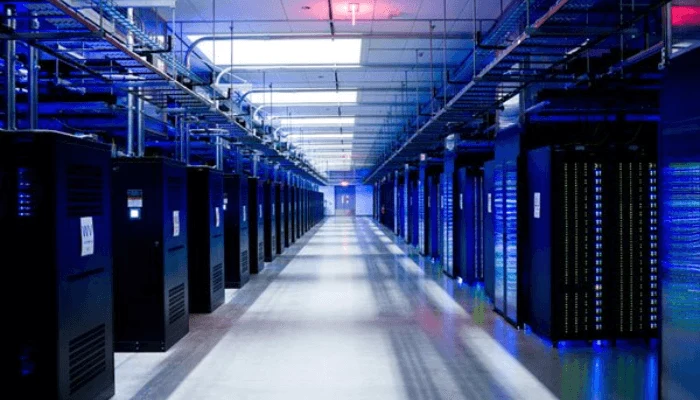
Nigeria's population of over 240 million is accelerating investment in data centres as global and local firms anticipate long-term growth in the digital economy. Projections suggest the population could surpass 400 million by 2050, creating sustained demand for digital infrastructure. With a median age of about 18 years and internet penetration above 50 percent, millions of young Nigerians are entering the digital space through smartphones, fintech, streaming services and cloud applications. This shift is driving demand for data storage, processing and connectivity.
The data centre market in Nigeria was valued at $288 million in 2025 and could exceed $1 billion by 2031. Major players including Equinix, MTN, Rack Centre and Open Access Data Centres are expanding capacity to meet rising demand for cloud services, AI applications and enterprise software. MTN alone announced a $240 million investment in a new Lagos data facility aimed at supporting AI and cloud workloads. Total investments in the sector are approaching $1 billion as operators prepare for future digital needs.
Data sovereignty is also influencing growth, with governments, financial institutions and businesses seeking local facilities to store sensitive data within national borders. This trend is increasing the strategic importance of domestic data centres for security and regulatory compliance. African Energy Week 2026 will include a dedicated AI and Data Centre track, reflecting the growing link between energy and digital infrastructure.
Despite momentum, challenges remain. Power supply is a major obstacle, with most operators relying on backup generators and hybrid energy systems, raising costs and limiting scalability. Improved connectivity, clearer regulations and sustained energy investment are needed to support expansion. NJ Ayuk, executive chairman of the African Energy Chamber, said data centres are becoming critical for Africa's economic future but depend on stable power.
MTN is investing $240 million in a Lagos data centre while most Nigerians still face erratic power and poor internet access. The company is building infrastructure for AI and cloud services in a country where basic electricity remains unreliable. Nigerians are the engine of this digital growth, yet many may not benefit from the infrastructure meant to serve them. The gap between corporate investment and public utility remains wide.
💡 NaijaBuzz Take is AI-assisted editorial opinion, not established fact. Full disclaimer →


