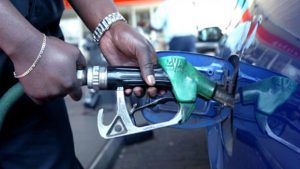
Petrol prices in Nigeria have reached a new high, with many parts of the country experiencing a pump price of ₦1,400 per litre. This sharp increase has further exacerbated economic hardship, as transport fares have skyrocketed, business costs have escalated, and disposable incomes have shrunk. The situation has left transporters, commuters, and small business owners grappling with an unbearable cost-of-living crisis.
The surge in petrol prices is largely attributed to the significant rise in global crude oil prices, which have climbed to nearly $120 per barrel. This increase has had a direct impact on local pricing, particularly after Dangote refinery reviewed its gantry price upward from ₦1,175 to ₦1,245 per litre. The adjustment has triggered a chain reaction across the downstream sector, with marketers revising pump prices to between ₦1,310 and ₦1,400 per litre.
In Lagos, the commercial nerve centre of the country, transport operators are bearing the brunt of the hike. Prices at filling stations have fluctuated between ₦1,320 and ₦1,330 per litre, with some outlets briefly selling at ₦1,380 before adjusting downward. The instability in supply and pricing is underscored by the fact that pump prices were adjusted upward twice within a few days at stations owned by the Nigerian National Petroleum Company Limited (NNPCL).
Commercial drivers are now operating on thin margins, with many struggling to make ends meet. According to Daily Trust, drivers have reported a significant reduction in their profit margins, with some now earning less than half of what they used to. The situation has been described as dire by drivers such as Toheeb Sulaimon, who plies the Ogba-Ikeja route. He noted that the cost of fuel has doubled, but the number of passengers has decreased.
The recent hike in petrol prices is a stark reminder of the government's failure to regulate the fuel market effectively. The deregulation of the fuel market has led to a volatile pricing system, which is detrimental to the economy and the average Nigerian. The Nigerian National Petroleum Company Limited (NNPCL) must take responsibility for the instability in supply and pricing. The company's decision to adjust pump prices upward twice within a few days is a clear indication of its inability to manage the downstream sector. The consequences of this failure are being felt by transporters, commuters, and small business owners, who are struggling to stay afloat in a rapidly deteriorating economic environment.


