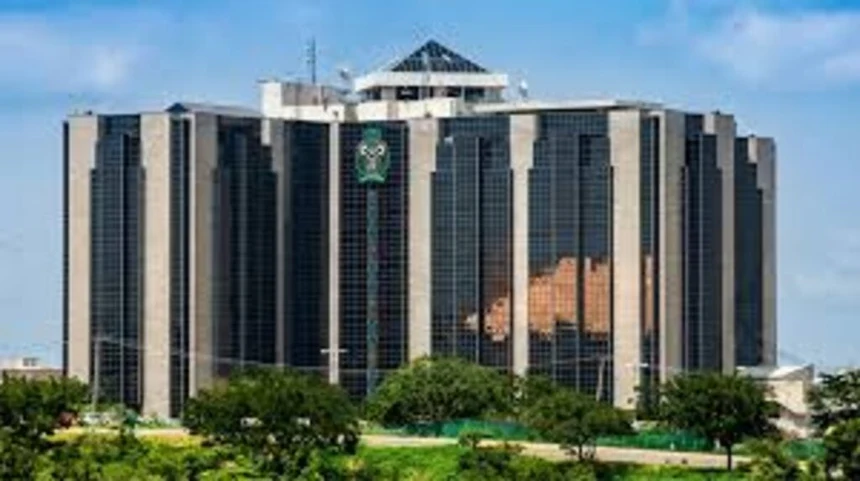
The Central Bank of Nigeria, in collaboration with the Financial Markets Dealers Association, has introduced the Nigerian Overnight Financing Rate as the country's official overnight risk-free benchmark. NOFR is derived from actual NGN-denominated overnight secured repo transactions in the Nigerian interbank market, replacing the previously used Nigerian Inter-Bank Offered Rate, which was largely based on indicative quotes. Unlike NIBOR, which relied on what banks said they would charge, NOFR reflects real lending rates between financial institutions for one-day borrowing. The new benchmark is calculated using verified transaction data from participating institutions, aiming to provide a transparent, market-driven reference rate. This shift is intended to improve credibility, resist manipulation, and align Nigeria's financial system with global best practices. NOFR will influence the pricing of loans, derivatives, bonds, and other financial instruments, and may also be used in judicial interpretations of financial disputes. The rate is computed as an average of all eligible overnight transactions, ensuring it represents the collective market activity rather than individual outliers. In cases where sufficient transaction data is not available, the previous business day's NOFR is carried forward and disclosed. Officials describe the move as a systemic reform rather than a technical adjustment, with implications for monetary policy transmission, contract enforcement, and regulatory oversight. The reform underscores a policy focus on transparency and data-driven benchmarks in Nigeria's financial markets.
The Central Bank replaced a quote-based rate with a transaction-driven one, yet still allows past rates to be reused when data is thin—undermining the very transparency it claims to enforce. This fallback mechanism means the official benchmark can be based on stale figures, not real activity. For Nigerian financial institutions relying on NOFR to price loans and contracts, the inconsistency risks distorting market signals. The rate meant to reflect real borrowing costs may instead reflect gaps in reporting.
💡 NaijaBuzz Take is AI-assisted editorial opinion, not established fact. Full disclaimer →