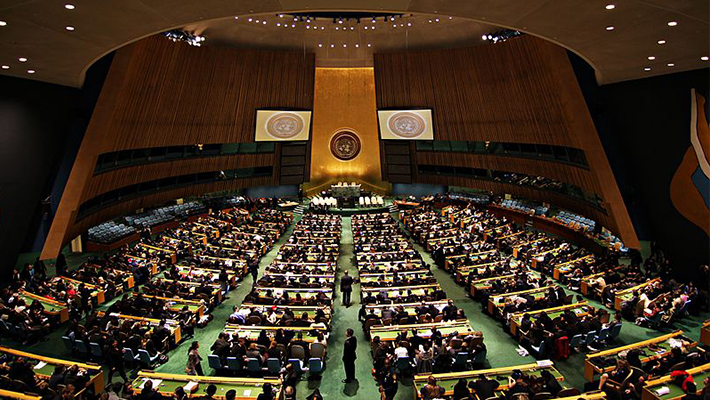
Nigeria and 121 other countries have adopted a historic resolution at the United Nations, declaring the transatlantic slave trade the gravest crime against humanity. The move comes as part of the commemoration of the Second International Decade for People of African Descent and the African Union's Decade of Reparations. A total of 123 countries voted in favour of the resolution, while three countries - Argentina, Israel, and the United States - voted against it, and 52 abstained.
The resolution acknowledges the brutal exploitation of millions of Africans over 400 years, who were forcibly taken from their homes, put in shackles, and shipped to the Americas to work in harsh conditions. The trauma inflicted on these individuals and their descendants continues to affect people of African descent today, perpetuating anti-Black racism and discrimination.
The resolution highlights the scale, duration, and brutality of the slave trade, as well as its enduring consequences, which continue to shape the lives of people around the world. It also underscores the importance of addressing historical wrongs and promoting justice, human rights, dignity, and healing for Africans and people of the diaspora.
UN General Assembly President Annalena Baerbock noted that the slave trade was a grave violation of human rights, contrary to the principles enshrined in the UN Charter and the Universal Declaration of Human Rights. She also pointed out that the countries from which enslaved Africans were taken suffered significant losses, having lost entire generations who could have contributed to their development.
The resolution adopted by the UN is a significant step towards acknowledging the atrocities of the slave trade and its ongoing impact on people of African descent. However, Ghana's President John Mahama's call for reparations is a crucial next step, as it represents a concrete step towards remedy and justice. The fact that the United States voted against the resolution is a stark reminder of the country's ongoing struggle with its own history of slavery and racism. For everyday Nigerians, this resolution is a reminder that the country's own history of colonialism and slavery is still a living legacy, and that addressing these historical wrongs is essential for promoting justice and healing. The African Union's Decade of Reparations is a critical opportunity for Nigeria and other countries to confront their past and work towards a more equitable future.


