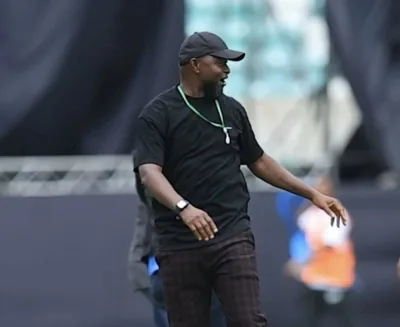
The Confederation of African Football (CAF) has approved Nigeria's application to restart its CAF A Licence coaching courses, ending a nine-year suspension. This clears the way for the Nigeria Football Federation (NFF) to host the elite coaching certification programme locally for the first time since 2017. In a letter dated Wednesday, CAF's Coaching Education Project Manager, Jaida Zakaria, confirmed that the NFF's submitted curriculum met continental standards. "We are pleased to inform you that the CAF A course curriculum submitted by NFF has been approved. You can now proceed with submitting a request for a CAF A course through the CMS, subject to an inspection visit," Zakaria stated. The CAF A Licence is a mandatory qualification for coaches aiming to lead top-flight clubs and national teams across Africa. NFF's Head of Coaching Education, Terry Eguaoje, called the approval a landmark moment, noting it complements previously approved CAF D, C, and B Licence courses. Nigeria held its first CAF A Licence course in 2016, featuring former internationals and domestic coaches, but lost accreditation shortly after. Since then, Nigerian coaches have been forced to travel abroad for certification, a costly and limiting barrier. The absence of local A Licence courses had drawn criticism from coaching stakeholders, including former Flying Eagles coach Ladan Bosso, who highlighted the growing gap in elite coaching development.
Nine years without a CAF A Licence course meant a generation of Nigerian coaches missed out on elite training at home while the federation worked to meet basic accreditation standards. The restart of the programme reveals how far behind the country had fallen in structured coaching development, despite producing talented players and managers. With Ladan Bosso among those who previously raised concerns, the return of the course now offers a chance to rebuild technical capacity from within. Nigerian football must ensure consistent delivery this time, not just celebration of regained access.
Editorial note: AI-assisted opinion, not established fact. Full disclaimer →