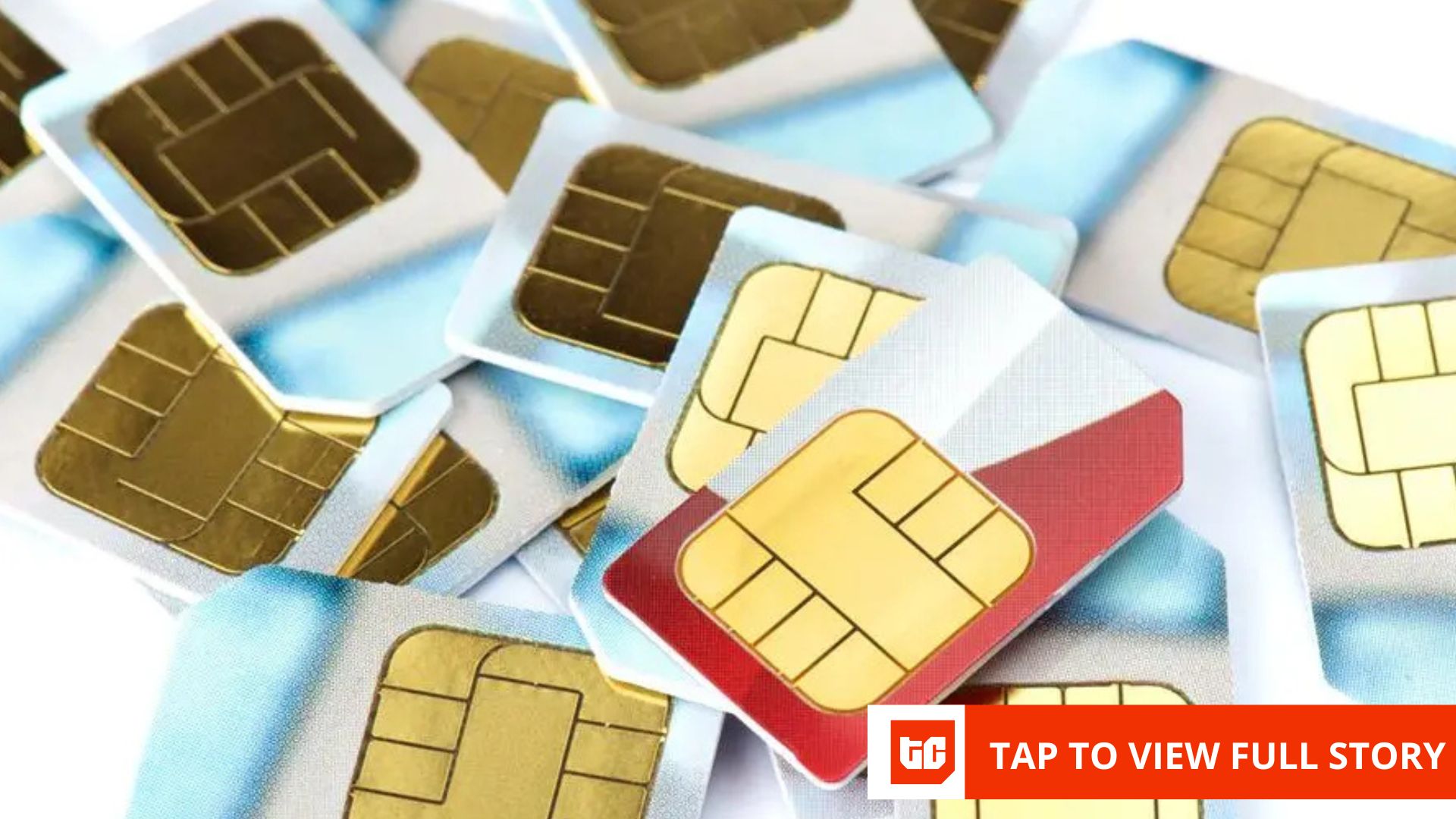
Nigeria's telecom regulator, the Nigerian Communications Commission (NCC), has introduced new rules aimed at curbing rising fraud and restoring trust in digital systems. The rules require telecom operators to flag high-risk phone numbers in real-time, using a centralised platform called the Telecoms Identity Risk Management System (TIRMS). This move is a response to the growing threat of fraudsters exploiting SIM lifecycle loopholes to gain unauthorized access to financial accounts and digital services.
Mobile phone numbers, which have evolved from simple communication tools to essential identity anchors, are now used across banking, e-commerce, government services, and digital authentication systems. As a result, any weakness in how those numbers are managed becomes a system-wide risk. The NCC's intervention is driven by a surge in fraud linked to how phone numbers are recycled and reused, creating a loophole that allows fraudsters to exploit digital footprints left behind by previous owners.
The Telecoms Identity Risk Management System is designed to provide real-time risk visibility, allowing telecom operators, banks, regulators, and other authorised entities to verify the status of a mobile number. This means service providers can instantly determine whether a number has recently been reassigned, swapped, flagged for suspicious activity, or blacklisted. The goal is to enable risk-based decision-making before access is granted to sensitive services.
The new rules will compel telecom operators to actively participate in managing number-related risks, notifying subscribers at least 14 days before their numbers are churned or reassigned. While the NCC is emphasizing a collaborative approach to implementation, the success of TIRMS will depend on the level of participation from financial institutions and other stakeholders.
The NCC's move to flag high-risk phone numbers in real-time is a significant step towards curbing fraud and restoring trust in digital systems. As the use of mobile numbers expands across various sectors, it's essential that regulators and service providers work together to ensure the integrity of these identity anchors. This initiative is particularly relevant in Nigeria, where the growth of fintech and e-commerce has created new opportunities for fraudsters to exploit vulnerabilities in the system.