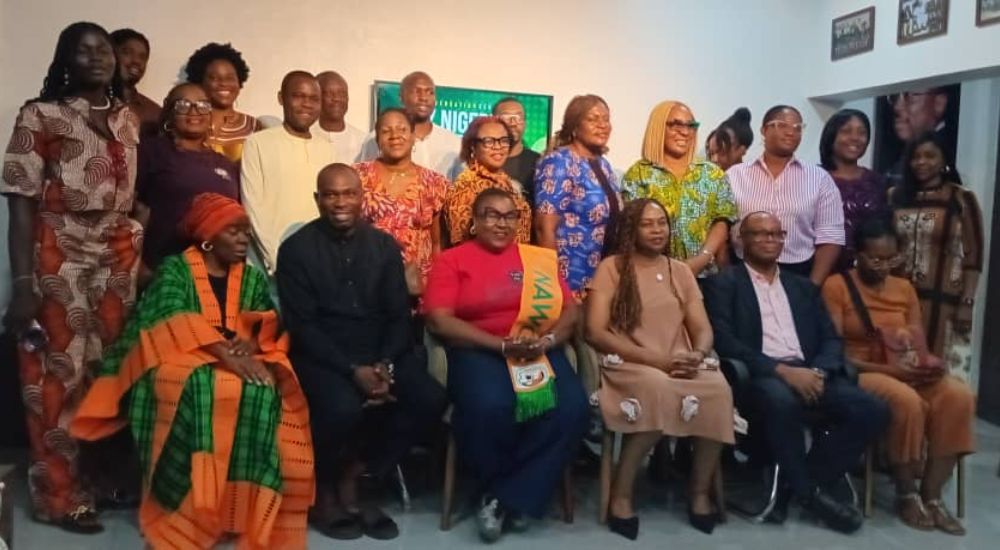
Women's shrinking political representation in Nigeria has been a persistent issue, with stakeholders calling for increased representation in leadership and decision-making spaces. The Nigeria Association of Women Journalists (NAWOJ) and the Strategic Action for Leadership Trust Initiative (SALTi) recently hosted a conversation series in Abuja, focusing on the theme "Why Nigeria Needs More Women at the Table." Experts at the event highlighted the need for inclusion, citing the country's low female representation in governance.
According to Dr. ChiChi Aniagolu-Okoye, Regional Director for West Africa at the Ford Foundation, Nigeria's failure to include women in leadership spaces comes at a significant cost to national development. The country's current representation of women in parliament is less than five per cent, despite women making up half of the population. Aniagolu-Okoye stressed that the demand for inclusion is not about replacing men but achieving balance in leadership. She noted that leadership outcomes improve when merit and inclusion are prioritised.
The low female representation in governance remains a major concern in Nigeria, with women holding less than five per cent of parliamentary seats. Aniagolu-Okoye emphasised that inclusion is critical to addressing national challenges, stating that it is not optional but necessary.
The absence of women in Nigeria's leadership spaces is a stark reminder of the country's failure to achieve meaningful development. The call to action by NAWOJ and SALTi is a wake-up call for the government to prioritise inclusion. With women holding less than five per cent of parliamentary seats, it is clear that the current system is not working. The government must take concrete steps to address this issue, including implementing policies that promote equal representation. This is not just a matter of fairness but also a necessity for the country's progress.