The ongoing conflict in the Middle East has sparked concerns over the global oil market's volatility, with far-reaching implications for Africa's economic stability. Aliko Dangote, President of the Dangote Group, has warned that the ripple effects of global oil price fluctuations will inevitably be felt in Nigeria, despite the country's lack of direct involvement in the conflict.
Dangote's concerns are rooted in the fact that energy costs are central to nearly all sectors of the economy, making sustained increases a recipe for widespread hardship and economic instability. He fears that a prolonged crisis could further destabilise economies, particularly in Africa, where fiscal buffers are limited and debt pressures remain high.
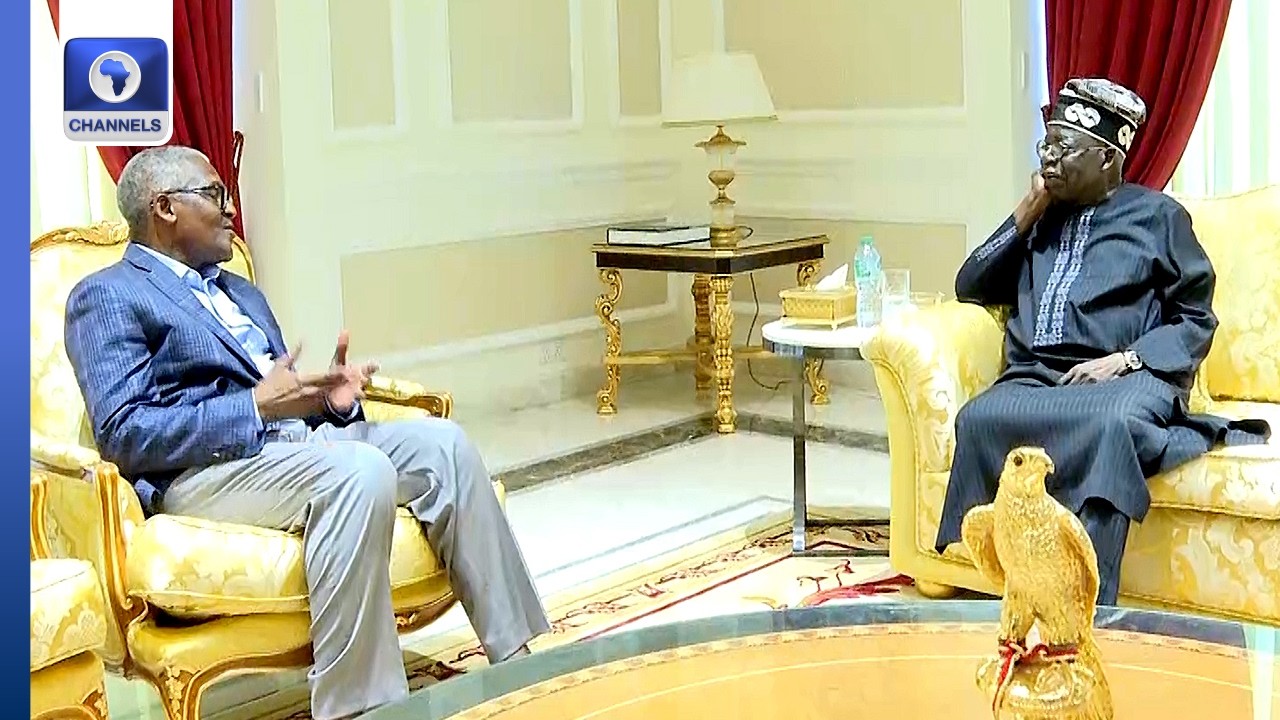
The businessman, who met with President Bola Tinubu in Lagos on Monday, stressed that Africa cannot afford to bear the brunt of the crisis. "If it doesn't de-escalate, we'll end up paying big prices," he warned, pointing to the potential for reduced work schedules, remote working arrangements, and even widespread power outages.
Aliko Dangote's warning to President Bola Tinubu is a stark reminder of the devastating impact of the Middle East conflict on Nigeria's economy. As the country struggles to recover from the effects of the COVID-19 pandemic, the last thing it needs is a prolonged crisis that could further destabilise the economy. The fact that Dangote is urging de-escalation is a clear indication that the consequences of inaction will be severe, with widespread power outages, reduced work schedules, and even job losses on the horizon. The Tinubu administration must take immediate action to mitigate the effects of the crisis and ensure that Nigeria's economy is not left to bear the brunt of the global instability.