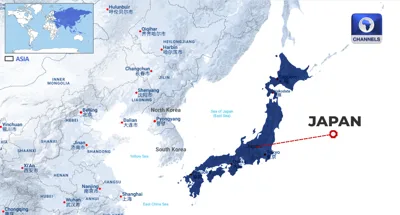
A magnitude-7.1 earthquake struck southern Japan on Tuesday, centered about 20 kilometres south of Kumamoto City on Kyushu island, injuring at least 50 people and causing widespread damage. The quake knocked out power to approximately 40,000 homes, disrupted mobile networks, and forced the evacuation of workers from facilities owned by TSMC, Sony, and Fujifilm. Multiple buildings partially collapsed, including the exterior wall of a shop in Kumamoto City, while fires broke out in several locations, including an Aeon shopping mall where an explosion occurred after the initial tremor. Eyewitness Kazuya Tsurunaga reported a massive smoke cloud following the blast, describing ash-like debris falling in the surrounding area.
Japanese Prime Minister Sanae Takaichi confirmed that casualties, power outages, and structural damage had been reported, and that a government task force was gathering information and preparing for rescue operations. Emergency warnings were issued for seven prefectures across Kyushu, and around 300,000 residents were directed to evacuation centres. A one-metre tsunami warning was issued but lifted within two hours. Infrastructure disruptions included suspended bullet train services by JR Kyushu and the temporary closure of Kumamoto airport, with flights diverted or cancelled. The Japan Meteorological Agency recorded the quake's preliminary magnitude at 7.1, while the nuclear regulation authority confirmed no irregularities at regional power plants. Public broadcaster NHK reported more than 50 injuries at one hospital, and Nikkei noted injuries on a high-speed train during the quake.
The evacuation of multiple industrial plants after a single seismic event raises questions about the resilience of critical supply chains in high-risk zones. When major manufacturers halt operations simultaneously, the economic ripple effects extend far beyond the immediate physical damage. The government's rapid deployment of emergency protocols suggests preparedness, but the scale of disruption to power, transport and communications reveals persistent vulnerabilities.
Editorial note: AI-assisted opinion, not established fact. Full disclaimer →