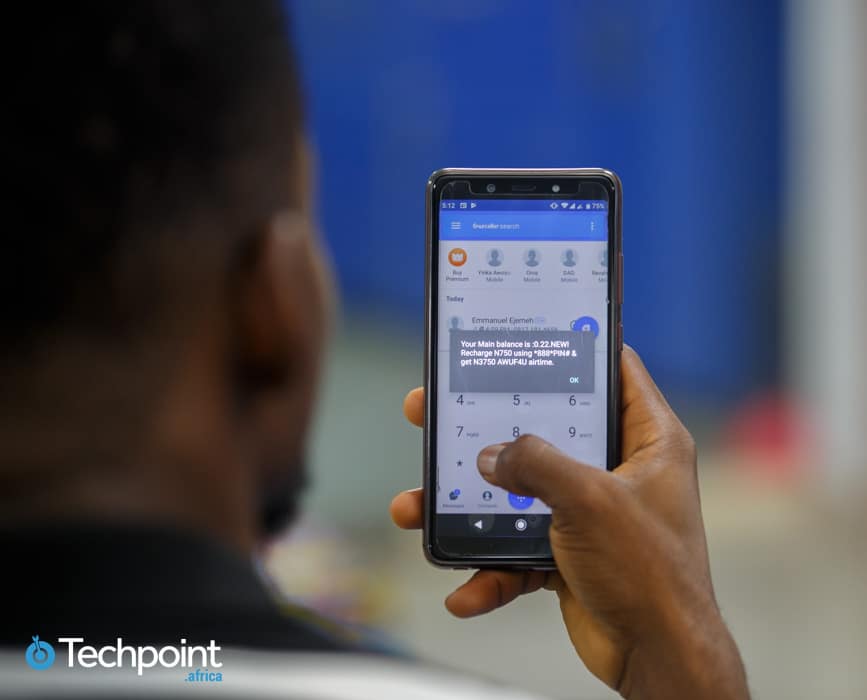
Lesotho has introduced new rules that restrict mobile operators from offering airtime and data advances to minors. This move aims to curb early exposure to debt and prevent potential exploitation of young users. The ban effectively stops under-18 users from borrowing airtime or data, a popular "use now, pay later" feature. This decision reflects a growing concern about consumer protection in the country's telecom sector.
The restriction is part of a broader push to tighten oversight and put users, especially minors, at the centre of policy decisions. Lesotho's telecom sector has faced scrutiny over consumer protection in recent years, including cases where operators were flagged for unfair practices and poor transparency. The ban on airtime advances for minors is a signal that the era of unchecked digital access for children is coming to an end.
The decision also reflects a global shift towards stricter regulations on digital services affecting young people. Governments are paying closer attention to how digital services impact minors, from social media restrictions to tighter telecom rules. This move is expected to have a significant impact on how young people access telecom services in Lesotho.
The restriction on airtime advances for minors is a significant step towards protecting vulnerable groups in the country. It highlights the need for regulators to step in and protect young users from the risks associated with digital services.
The Lesotho government's decision to restrict telecom credit for minors is a significant step towards protecting young users from the risks of digital services. This move sets a precedent for other African countries to follow suit and prioritise consumer protection. As the digital landscape continues to evolve, it is essential for governments to take a proactive approach in safeguarding the interests of vulnerable groups.