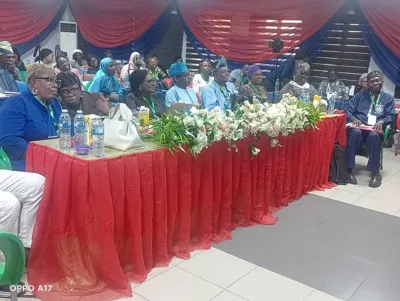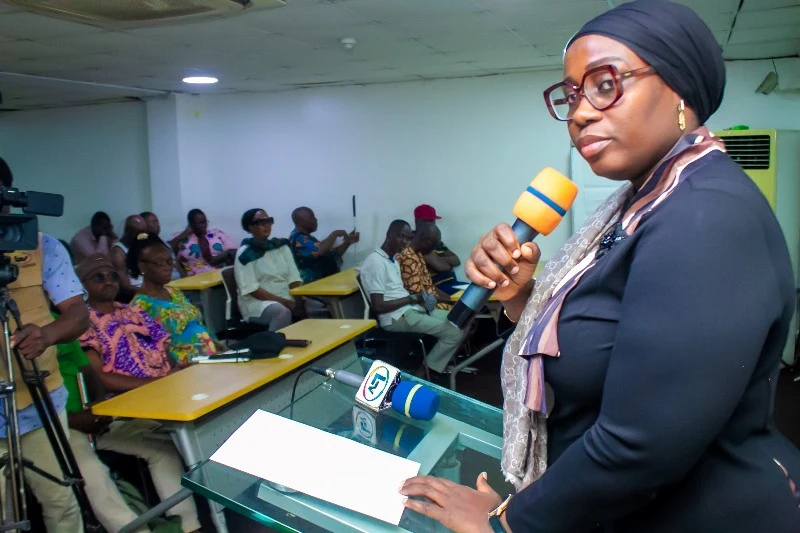
The Lagos State AIDS Control Agency (LSACA) has organised a sensitization programme on HIV prevention and stigma reduction targeting persons with hearing and visual impairments. The event, held at the Lagos Chamber of Commerce and Industry (LCCI), brought together members of the disability community, healthcare stakeholders and advocates to improve access to disability-friendly HIV services. Dr. Folakemi Animashaun, Chief Executive Officer of LSACA, said the programme reflects the state's commitment to ensuring all residents, regardless of physical ability, have equal access to quality healthcare and life-saving information.
Animashaun noted that persons with disabilities often face communication barriers, social exclusion, stigma and discrimination, which can hinder access to HIV testing, treatment and support. The programme was designed to address these challenges by providing accurate information on HIV prevention, testing, treatment and care, while reinforcing their rights to non-discriminatory healthcare. Presentations covered the current HIV situation in Lagos, prevention strategies, gender-based violence and disability rights. Participants engaged in practical sessions on HIV self-testing, condom use and how to access medical and support services.
Dr. Animashaun urged participants to share their experiences, saying their input is vital to shaping an inclusive HIV response. She reaffirmed LSACA's commitment to expanding equitable access to HIV services and strengthening partnerships for disability-inclusive healthcare. Mr. Kingsley Njoku, a participant, described the programme as timely and impactful, urging the government to always include persons with disabilities in health initiatives. The exercise is part of LSACA's broader strategy to reduce HIV-related stigma and ensure all Lagos residents can access the healthcare information needed to live healthy lives.
Dr. Folakemi Animashaun says persons with disabilities face stigma and exclusion in healthcare, yet the state only recently launched a targeted HIV awareness programme for them. The gap between the acknowledged challenges and the timing of this intervention raises questions about why inclusive programming took so long. Mr. Kingsley Njoku's appeal for consistent inclusion suggests past efforts may have overlooked disabled communities. If awareness is now deemed necessary, earlier neglect implies preventable risks for a vulnerable group.
Editorial note: AI-assisted opinion, not established fact. Full disclaimer →