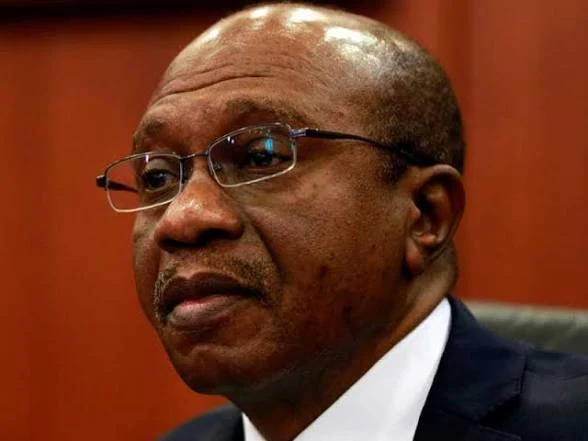
The Lagos State Special Offences Court in Ikeja has admitted into evidence the extra-judicial statements made by former Central Bank of Nigeria Governor Godwin Emefiele to the Economic and Financial Crimes Commission. Presiding Judge Justice Rahman Oshodi dismissed objections from Emefiele's legal team, who had argued the statements were obtained under torture during a 157-day detention by the Department of State Services. Justice Oshodi ruled that none of the statements constituted a confessional statement requiring a trial within a trial, as they lacked an unequivocal admission of guilt. He held that Section 4 of the Anti-Torture Act, 2017, did not apply since the statements were not confessional in nature.
Emefiele's lead counsel, Olalekan Ojo (SAN), had urged the court to reject the statements, citing psychological and physical torture, and noted the absence of video recordings to verify due process. He also questioned the credibility of the lawyer said to have witnessed the interviews. In response, Director of Public Prosecutions Rotimi Oyedepo (SAN) maintained that the statements did not amount to confessions and therefore did not require a separate trial to determine admissibility. The prosecution argued that the Anti-Torture Act does not mandate a trial within a trial in such circumstances.
The statements in question were allegedly made on October 27, October 30, November 11, November 12, and November 13, 2023. The court admitted them as exhibits. Emefiele is standing trial alongside Henry Omoile on a 19-count charge involving about $4.5 billion and N2.8 billion, including abuse of office, receiving gratification, and fraudulent property transactions. Omoile faces three counts related to unlawful gifts connected to CBN transactions. Both defendants have pleaded not guilty. The case has been adjourned to October 6, 7, 8, and November 11, 12, 13, 2026, for continuation of the trial.
Emefiele challenged the use of his EFCC statements on grounds of torture, yet the court found no confessional content requiring special scrutiny. The admission of the statements without a trial on their collection process means the prosecution can proceed without proving their voluntariness. This shifts the trial's focus squarely to the substance of the $4.5 billion fraud charges rather than how the evidence was obtained.
Editorial note: AI-assisted opinion. All persons mentioned are presumed innocent until proven guilty. Full disclaimer →


