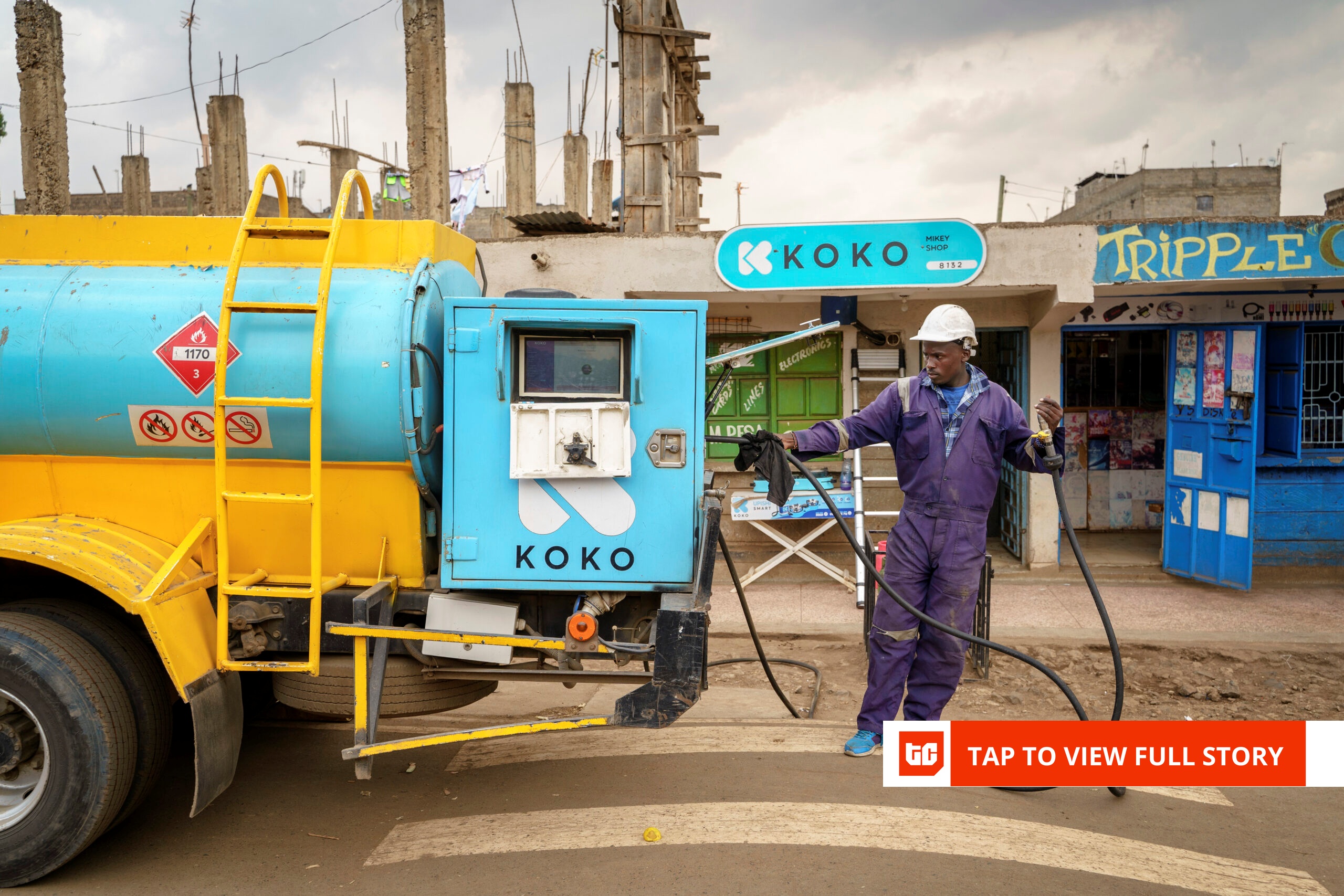
A UK-based carbon trading arm of KOKO Networks has collapsed, just weeks after reporting a significant surge in revenue. The company's financial statements, signed on February 5, 2026, reveal that its turnover jumped to £39.8 million ($50.5 million) in 2024 from £1.8 million ($2.3 million) a year earlier. However, despite the increase in revenue, KOKO Networks (UK) Ltd still recorded a £14.0 million ($17.8 million) loss and accumulated deficits of £104.6 million ($132.8 million), with liabilities exceeding assets.
The company's reliance on regulatory approvals in Kenya was critical to its business, as it traded carbon credits linked to clean cooking projects run by its parent group. However, an associated Kenyan entity failed to secure a permit required to access compliance carbon markets, which offer higher prices than voluntary markets. As a result, the company was left without an alternative route to market, and its directors determined that it was no longer viable.
KOKO Networks (UK) Ltd entered administration on February 19, after an associated Kenyan entity entered administration on February 1, 2026. The company's reliance on related-party borrowings, amounting to £28.6 million ($36.3 million) in 2024, further added to its financial woes. With operating cash flow remaining negative, the company's collapse is a significant blow to the carbon credit market.
The collapse of KOKO Networks' UK carbon trading arm highlights the risks associated with relying on a single regulatory approval in a foreign market. This development underscores the need for companies to diversify their supply chains and regulatory dependencies. Nigerian startups, such as Flutterwave, which have expanded into new markets, can learn from this experience and prioritize diversification to mitigate risks. The global carbon credit market is facing significant challenges, and this collapse is a stark reminder of the need for companies to adapt and innovate in response to changing market conditions.


