Kazakhstan: Largest country in Central Asia approves new constitution
**Kazakhstan's New Constitution: A Turning Point in Central Asia**
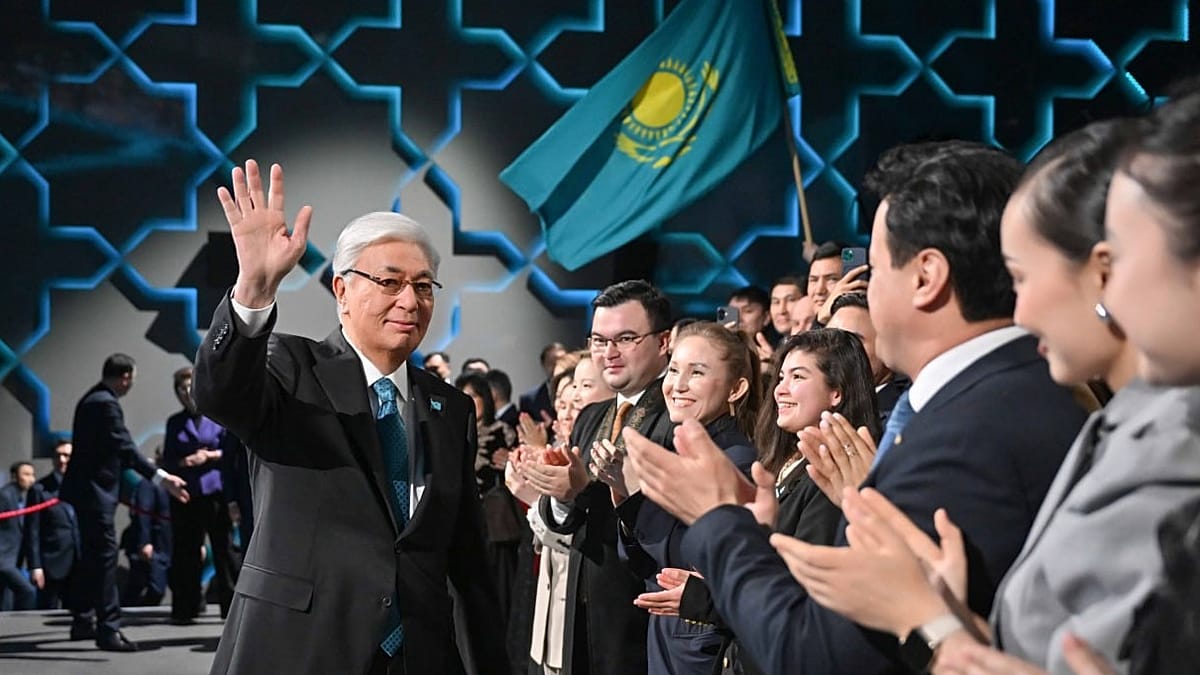
In a historic referendum held on March 15, the people of Kazakhstan voted overwhelmingly in favour of a new constitution, marking a significant milestone in the country's development. The new constitution, which was approved by the citizens, is expected to shape Kazakhstan's future and provide a stronger foundation for the country's growth.
In a speech after the referendum, President Kassym-Jomart Tokayev praised the citizens of Kazakhstan for participating in the democratic process and making their voices heard. He noted that the existing constitution, which has been in place since Kazakhstan gained independence from the Soviet Union, had served the country well during difficult times but was now in need of revision.
The new constitution makes significant changes to the balance of power in the country. It strengthens the role of the president, giving him more powers to appoint key officials, including heads of the judiciary, electoral commission, and security agencies. This shift in power dynamics has been a subject of debate in Kazakhstan, with some critics arguing that it may erode the country's democratic institutions.
However, supporters of the new constitution argue that it is necessary to ensure stability and continuity in the country's development. They point out that the strong presidency will enable the government to make bold decisions and drive growth in key sectors such as energy and infrastructure.
The adoption of the new constitution marks a significant turning point in Kazakhstan's history and has implications for the country's relationship with its regional neighbours. As the largest country in Central Asia, Kazakhstan plays a crucial role in regional politics and trade, and the new constitution is expected to shape its approach to these issues.
For Nigeria, the adoption of a new constitution in Kazakhstan is a reminder of the importance of periodic revision and review of a country's fundamental laws. As Nigeria continues to navigate its own challenges and complexities, the experience of Kazakhstan serves as a reminder of the need for democratic institutions to be adaptable and responsive to changing circumstances.
Source: Original Article • AI-enhanced version for clarity & Nigerian context
Related Stories