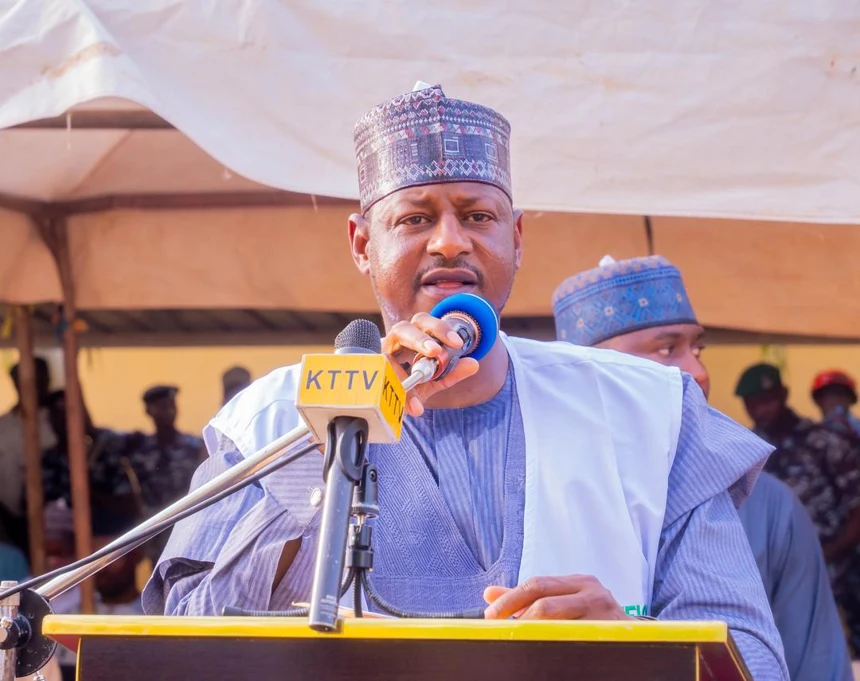
Katsina State Governor Dikko Radda has approved a N3.8 billion loan to secure Hajj slots for 3,890 intending pilgrims from the state. He made the announcement during the official send-off ceremony in Katsina on Sunday, describing Hajj as a sacred obligation and a spiritual privilege granted by Allah. Radda said the state government stepped in after challenges threatened Katsina's participation, ensuring all allocated slots were filled. He disclosed that each pilgrim would receive a $500 allowance for basic needs in Saudi Arabia.
The governor announced that the state would sponsor the Hadaya sacrifice for all pilgrims during the 2026 Hajj. About 200 officials have been deployed to provide medical care, spiritual guidance, welfare services, and logistical support throughout the pilgrimage. Radda urged the pilgrims to behave responsibly and serve as ambassadors of Katsina, noting that many families sold personal belongings to fund the journey. He warned against spreading misinformation that could misrepresent government efforts.
Radda said his administration had strengthened the Katsina State Pilgrims Welfare Board, improving accommodation, feeding, and operational efficiency. The Director-General of the board, Yunusa Dankama, confirmed that the state secured 3,890 Hajj slots through the National Hajj Commission of Nigeria. He praised past pilgrims for their discipline, saying Katsina is consistently ranked among the most organised state contingents. Muhammad Bin Othman, represented by Commissioner Umar Kalgo, commended Katsina's Hajj management and urged compliance with Saudi regulations, particularly on the Nusuk Card. Amirul Hajj Ahmed El-Marzuq said stakeholder consultations had defined roles for officials to ensure accountability.
Dikko Radda's administration took a loan to fund Hajj slots after initially failing to meet its allocation, yet claims improved efficiency. The same government now asks pilgrims not to spread misinformation about its efforts. If the system is truly efficient, why did it require emergency borrowing to fulfill a predictable annual obligation? This raises questions about prior planning for a major religious exercise involving thousands of citizens.
Editorial note: AI-assisted opinion, not established fact. Full disclaimer →


