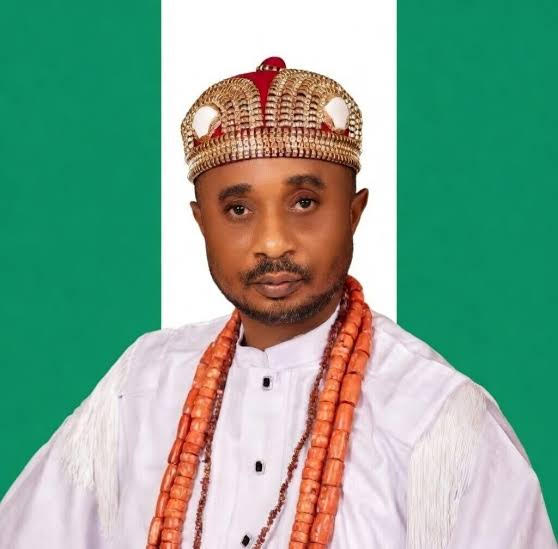
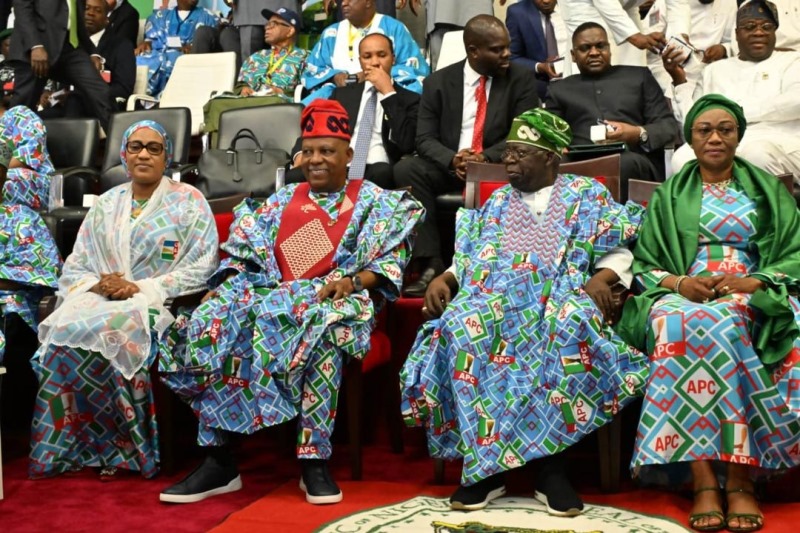
The sudden resignation of Kano State's Deputy Governor, Aminu Abdussalam Gwarzo, has sent shockwaves across the state. Gwarzo's decision to step down comes as the State House of Assembly is in the midst of an impeachment process, which was triggered by allegations of misappropriation. The Kwankwasiya Movement, a key player in Kano politics, has confirmed the resignation, stating that it was taken in the best interest of the people and the stability of governance in the state.
The circumstances that led to Gwarzo's resignation are complex, but it's clear that the ongoing impeachment process had become a significant burden on his ability to discharge his duties effectively. Despite denying any wrongdoing, Gwarzo's decision to resign is seen as a demonstration of statesmanship and a commitment to peace and political maturity.
The Kwankwasiya Movement has also announced that Gwarzo will dedicate more time to strengthening its structures ahead of the 2027 general elections. This move is likely to have significant implications for the state's politics, and it remains to be seen how this will play out in the coming months.
The state's political landscape is about to undergo a significant shift, and one thing is certain - the people of Kano will be watching closely to see how this development unfolds.
The resignation of Kano State's Deputy Governor, Aminu Abdussalam Gwarzo, is a reminder that politics in Nigeria can be a high-stakes game. In a country where party loyalty often takes precedence over personal integrity, Gwarzo's decision to put the interests of the people above his own is a rare display of political maturity. As the 2027 general elections approach, it will be interesting to see how this development plays out in the state's politics, and whether Gwarzo's move will have a lasting impact on the Kwankwasiya Movement's fortunes.