Iran war : Nigeria's crude oil hits $80 per barrel
**Oil Prices Surge: What It Means for Nigeria's Economy**
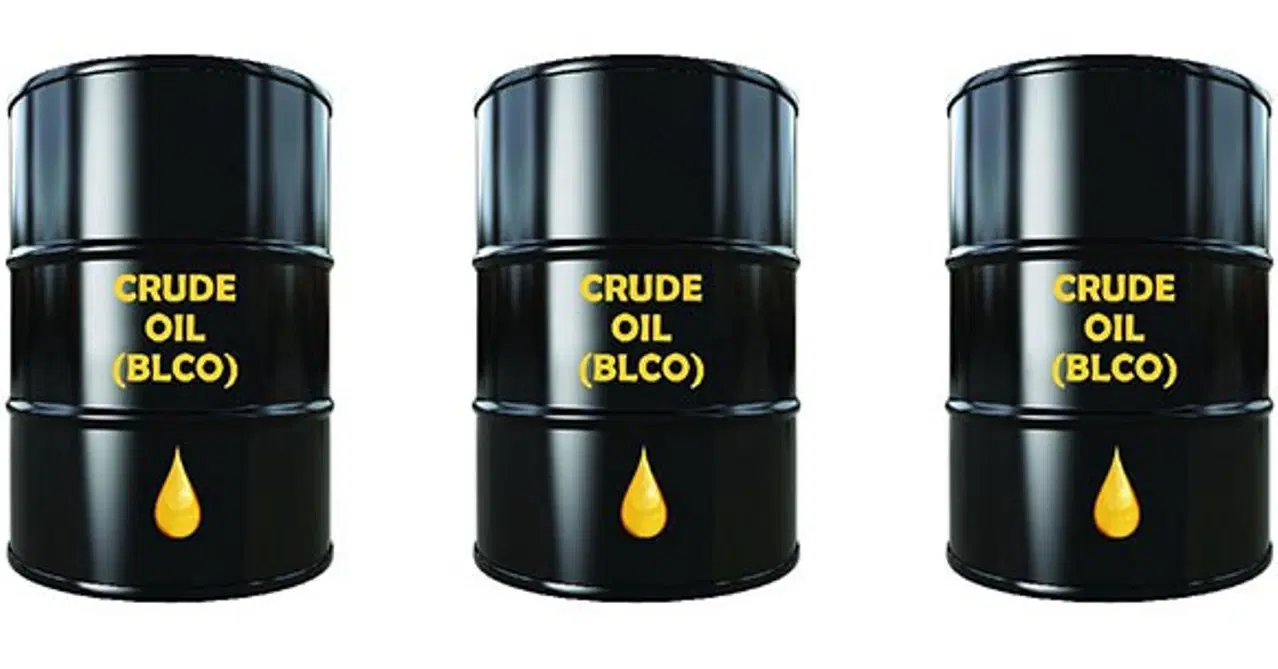
In a significant development, Nigeria's Bonny Light crude oil has hit a new high of $80 per barrel, marking its highest level since 2025. This surge in prices is linked to the recent military strikes on Iran by the United States and Israel, which have disrupted crude oil flows from the Middle East. As a result, global energy markets have been rattled, leading to a sharp increase in oil prices.
The impact of this sudden rise in oil prices is being felt across major benchmarks, including Brent Crude, Murban Crude, and West Texas Intermediate (WTI). The Organization of the Petroleum Exporting Countries (OPEC) estimates that Iran holds vast hydrocarbon reserves, which has contributed to the increase in prices. At $80 per barrel, Bonny Light now trades above Nigeria's 2026 budget benchmark of $64.85 per barrel, putting pressure on the government to increase revenue.
The 2026 fiscal plan is based on crude production of 1.84 million barrels per day and an exchange rate of ₦1,400 to the dollar. If output targets are met, sustained higher prices could strengthen government revenues. However, analysts caution that prolonged instability in the Middle East may translate into higher global petroleum product prices, potentially increasing domestic pump prices in the weeks ahead.
In a bid to stabilize the global oil market, the OPEC+ alliance has agreed to raise output following a virtual meeting held on March 1, 2026. The eight participating countries, including Saudi Arabia, Russia, and Iraq, resolved to begin unwinding 1.65 million barrels per day of voluntary production cuts. This move is expected to ease tensions in the global energy market and potentially stabilize oil prices.
For Nigeria, the implications of this development are significant. The government will need to carefully monitor the situation and adjust its fiscal plan accordingly. With oil prices expected to remain high in the short term, the government may need to revisit its budget projections and consider alternative revenue streams to mitigate the impact of price volatility.
Source: Original Article. AI-enhanced version.
Related Stories