Iran students stage first large anti-government protests since deadly crackdown
**"Iran Protests: Can Nigeria Learn from the Winds of Change?"**
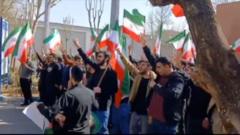
Imagine a nation where a generation of young people, frustrated with the status quo, take to the streets to demand change. This is the reality in Iran, where students have staged the country's first large anti-government protests since a deadly crackdown several years ago. The protests, which have seen university students and young professionals demanding better living conditions, more economic opportunities, and an end to government repression, have sent shockwaves across the globe.
As the world watches, it's hard not to draw parallels between the Iranian situation and our own Naija story. Like Iran, Nigeria is a nation with a young and vibrant population, eager to shape its own destiny. We have our own share of challenges, from poverty and unemployment to corruption and insecurity. But what can we learn from the Iranian protests?
One key lesson is the power of collective action. In Iran, ordinary citizens have come together to demand change, inspired by the bravery of students and young people who have risked their lives to speak out against the government. Similarly, in Nigeria, our own #EndSARS protests showed the potential for ordinary citizens to come together and demand change. We can draw inspiration from the Iranian example and build on the momentum of our own protests to create a more just and equitable society.
Another lesson is the importance of accountability and transparency. In Iran, the government's crackdown on dissent has been met with widespread criticism, both domestically and internationally. Similarly, in Nigeria, we have seen the devastating impact of government repression and the importance of holding those in power accountable for their actions.
But what does this mean for Nigeria's own relationship with the international community? As the world watches the Iranian protests, it's clear that the global stage is shifting. The US, under the Trump administration, had been pushing for a deal with Iran on its nuclear program, but the Iranian protests have thrown a wrench into those plans. With the US now threatening to take military action against Iran, the stakes are higher than ever.
As we navigate our own complex relationships with the international community, we must take note of the shifting global landscape. What does this mean for Nigeria's own relationships with countries like the US, China, and the EU? How can we balance our own national interests with the need to engage with the global community on issues like human rights, trade, and security?
In conclusion, the Iranian protests offer a powerful lesson in the power of collective action,
Source: Original Article. AI-enhanced version.