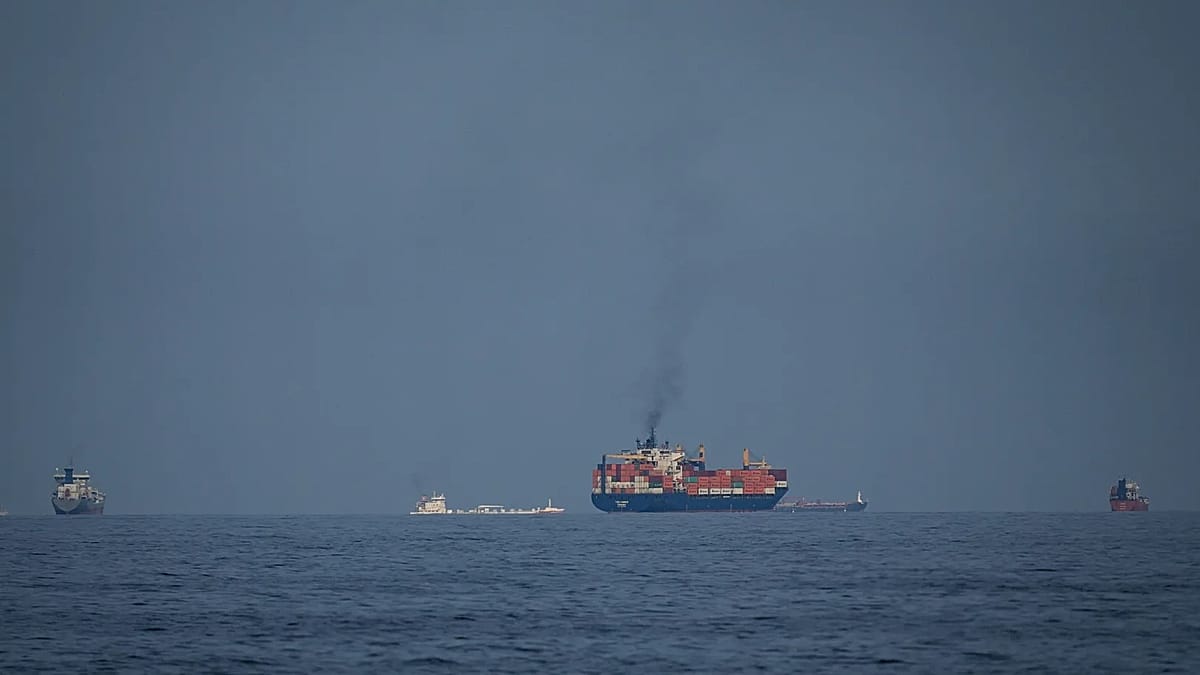
Iran has agreed to expedite humanitarian aid through the Strait of Hormuz, a critical waterway in the Middle East. The decision, announced by Iranian Ambassador Ali Bahreini, comes as the country's nuclear facilities were hit in air strikes, sparking a diplomatic crisis. According to UN officials, the aid plan is a breakthrough at the shipping chokepoint, which has been blocked for a month. The restriction on fertiliser shipments threatens global food security, as it is a crucial component in farming.
The UN has established a task force to address the ripple effects of the Iran war on aid delivery. The move is seen as a significant step towards ensuring that essential aid reaches those in need without delay. Iranian authorities have vowed to retaliate against Israel, which claimed responsibility for the air strikes. The US has urged restraint, with Secretary of State Marco Rubio stating that most US objectives in Iran are ahead of schedule and can be achieved without ground troops.
Nigerian farmers and consumers may be indirectly affected by the global shortage of fertiliser, which is a key component in food production. The country's agricultural sector relies heavily on imported fertiliser, and a prolonged shortage could have significant economic implications.
The international community's focus on humanitarian aid through the Strait of Hormuz is a welcome development, but it remains to be seen if this breakthrough can be sustained in the face of escalating tensions between Iran and its adversaries. The US and Iran's continued diplomatic wrangling has significant implications for global food security, and Nigeria's agricultural sector is not immune to the ripple effects of this crisis.