Iran's Rejection of Ceasefire Proposal Ignites Further Conflict
The United States has suffered a setback in its bid to bring an end to the ongoing conflict in the Middle East as Iran has flatly rejected a proposed ceasefire. Iran's rejection came as the country continued to launch attacks on Israel and Gulf Arab nations, including a devastating assault on Kuwait International Airport that sparked a massive fire. The airport's operations have been severely disrupted, with flights suspended until further notice.
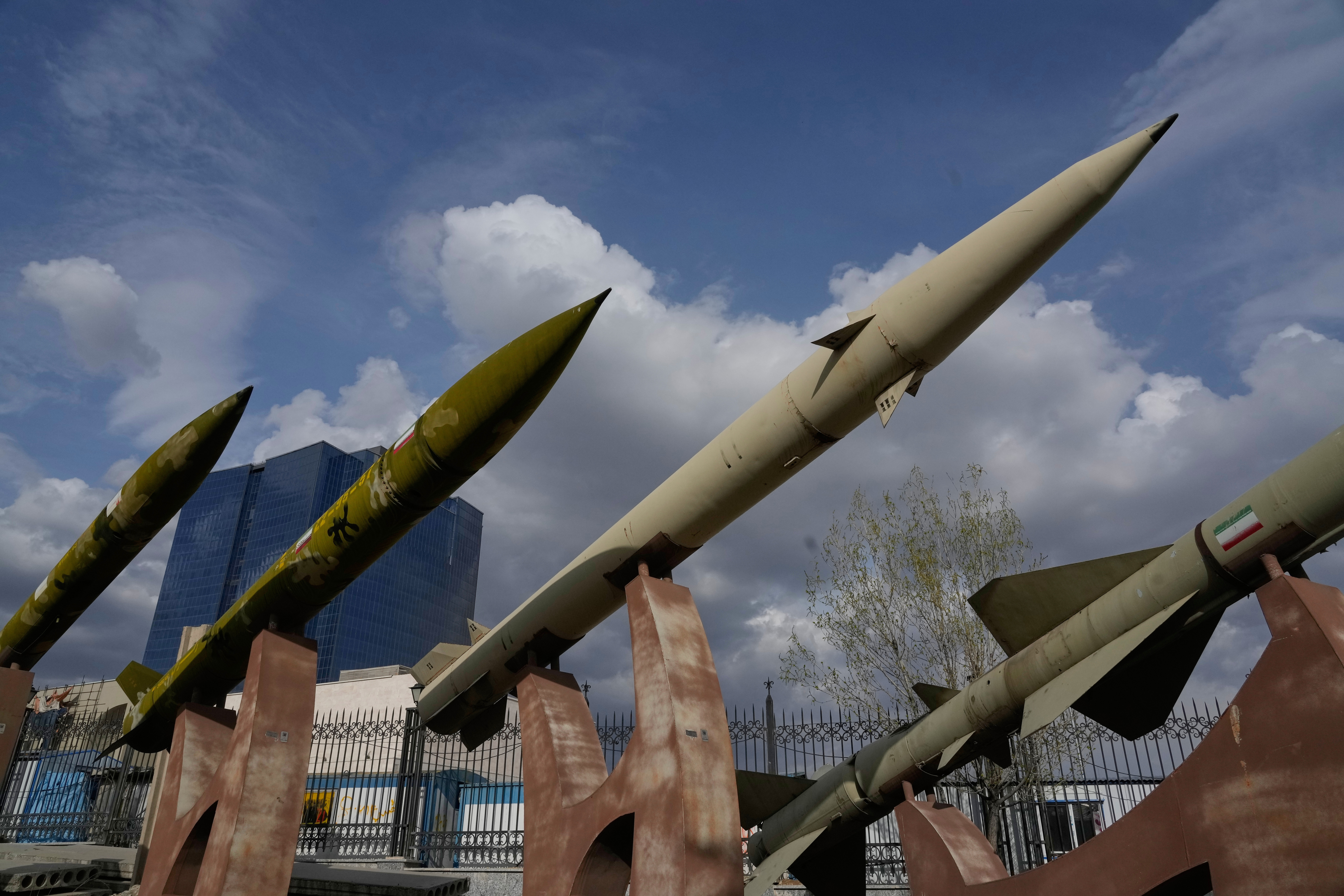
The proposed ceasefire, which was transmitted to Iran by Pakistan, included a range of concessions, including sanctions relief, a rollback of Iran's nuclear program, and restrictions on its missile development. However, Iran has consistently maintained that it will not engage in discussions about its ballistic missile program or its support for regional militias, which it views as crucial to its security.
The ongoing conflict has sent shockwaves through the global energy market, with oil prices skyrocketing due to Iran's restrictions on the Strait of Hormuz, a critical waterway through which a significant portion of the world's oil is shipped. The situation has put immense pressure on the United States to find a solution to the crisis and calm the markets.
As the conflict escalates, the United States has announced plans to deploy additional troops to the region, with at least 1,000 paratroopers from the 82nd Airborne Division set to be sent to the Middle East in the coming days.
💡 NaijaBuzz TakeThe international community is watching with bated breath as the situation in the Middle East continues to deteriorate. Iran's rejection of the proposed ceasefire proposal has sent a clear signal that the country is willing to continue its aggressive posture, putting regional and global stability at risk. The United States must now navigate a complex web of diplomatic and military options to bring an end to the conflict and restore peace to the region.