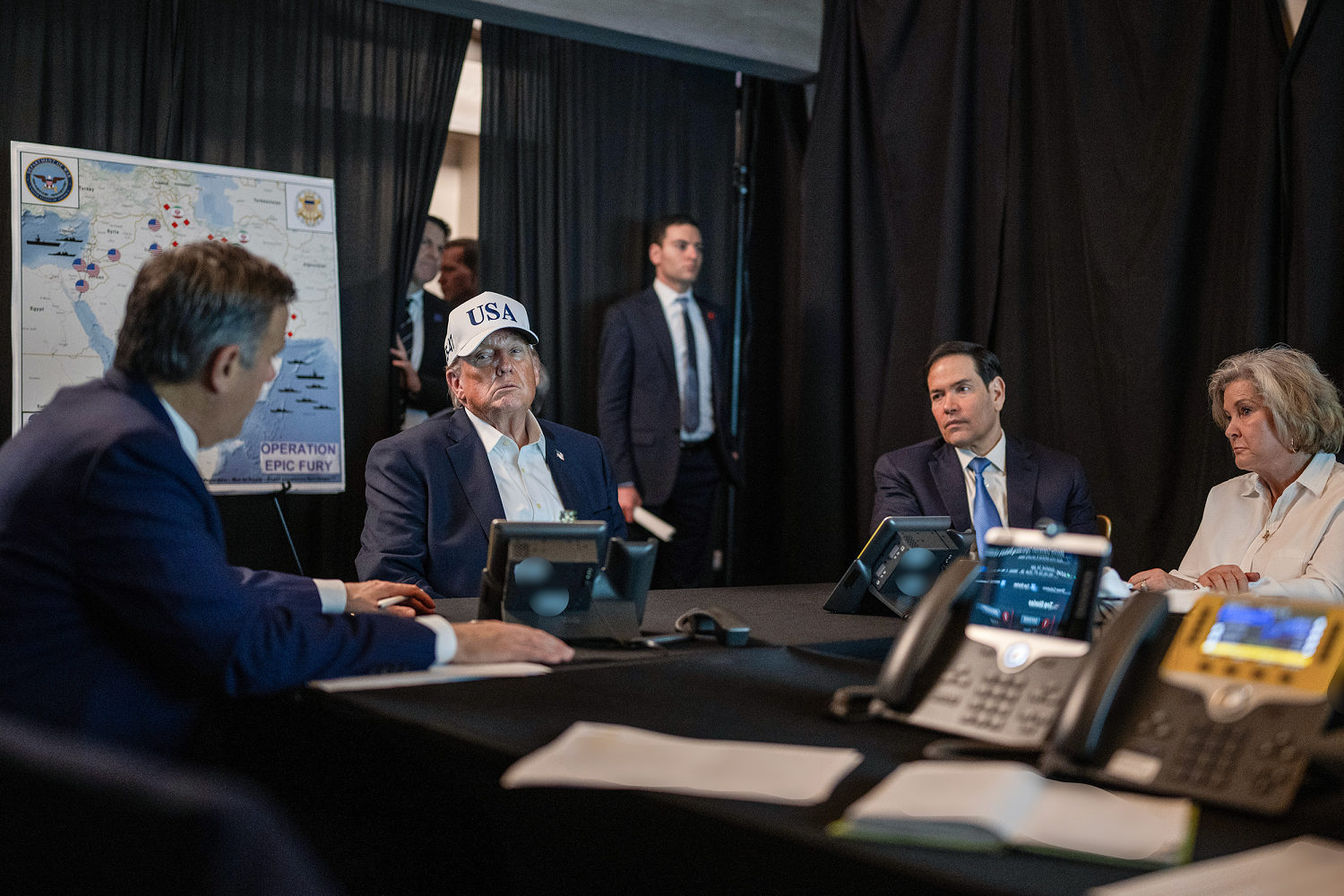
President Donald Trump receives a daily two-minute video briefing on the Iran war, showcasing the most successful strikes on Iranian targets over the previous 48 hours. The video montage, compiled by U.S. military officials, features clips of explosions and destruction, with one official describing it as a "highlight reel" of U.S. military achievements.
The briefing is part of a broader information package Trump receives on the war, which includes conversations with top military and intelligence advisers, foreign leaders, and news reports. However, some of Trump's allies are concerned that the video briefing may not provide a complete picture of the war, with two officials suggesting that it is fueling Trump's frustration with news coverage.
According to one official, Trump has questioned why his administration cannot better influence the public narrative, pointing to the success depicted in the daily videos. White House press secretary Karoline Leavitt has rejected claims that Trump does not receive information about the full range of developments in the war, stating that he actively seeks and solicits opinions from his top advisors.
The war in Iran has entered its fourth week, with the U.S. military continuing to execute its objectives with precision. The U.S. Defense Department has praised the performance of its warfighters, with Chief Defense Department spokesperson Sean Parnell stating that Operation Epic Fury has been an "overwhelming success."
As the war continues, it remains to be seen how Trump's reliance on the daily video briefing will impact his decision-making and communication with the public.
The Trump administration's reliance on a curated video briefing on the Iran war raises concerns about the accuracy and completeness of information being presented to the President. While the U.S. military has achieved significant successes in the operation, the selective presentation of information may create a skewed perception of the war's progress. This approach also undermines the importance of objective reporting and raises questions about the administration's commitment to transparency.