IMF Urges US To Work With Partners To Ease Trade Restrictions
**The IMF's Prescription for US Trade: A Call to Collaboration**
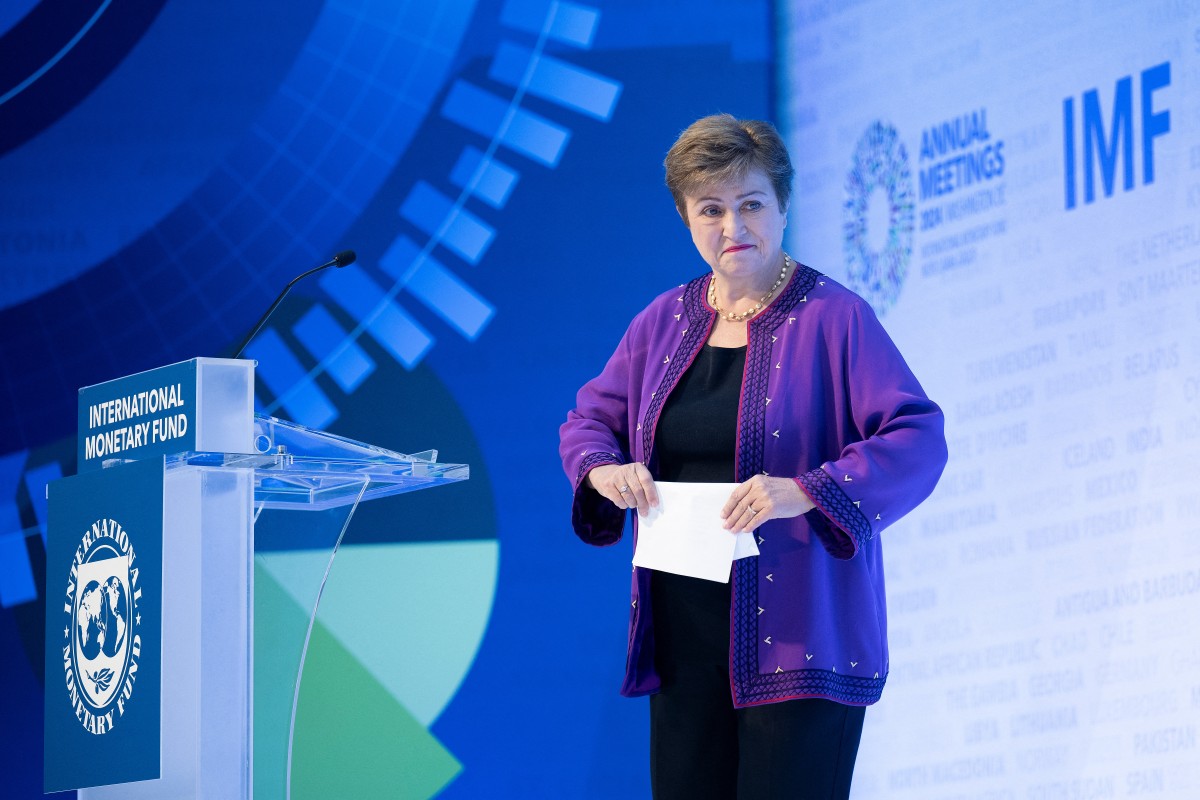
In a recent review of the US economy, the International Monetary Fund (IMF) has urged the US government to work with its trading partners to ease trade restrictions, citing the need for a more collaborative approach to address concerns over unfair trade practices.
The IMF's assessment comes on the heels of a tumultuous year under the Trump administration, marked by the imposition of wide-ranging tariffs on allies and competitors alike. These tariffs have had a ripple effect on supply chains and financial markets, causing uncertainty and disruption.
The IMF's report highlights the need for the US to engage in constructive dialogue with its trading partners to address concerns over unfair trade practices and agree on a coordinated reduction in trade restrictions and industrial policy distortions. This, the fund argues, is essential to mitigate the negative cross-border effects of such measures.
The report also notes that while the US trade and current account deficit is a concern, the country's economic growth is expected to pick up in 2026, with GDP growth projected to reach 2.6 per cent. However, the IMF warns that uncertainty around trade policies could represent a larger-than-expected drag on activity.
In a bid to address these concerns, the IMF has called on the US government to work with its trading partners to find mutually beneficial solutions. This, the fund argues, is crucial to maintaining stability in the global economy and promoting free trade.
The IMF's prescription for the US trade policy is particularly relevant for Nigeria, given our own experiences with trade restrictions and their impact on our economy. As we continue to navigate the complexities of global trade, it is essential that we engage in constructive dialogue with our trading partners to address concerns over unfair trade practices and promote free trade.
Ultimately, the IMF's report serves as a reminder that trade policy is not a zero-sum game, but rather a complex interplay of interests and concerns that require collaboration and coordination to resolve. By working together, we can create a more stable and prosperous global economy that benefits all nations, including Nigeria.
Source: Original Article. AI-enhanced version.