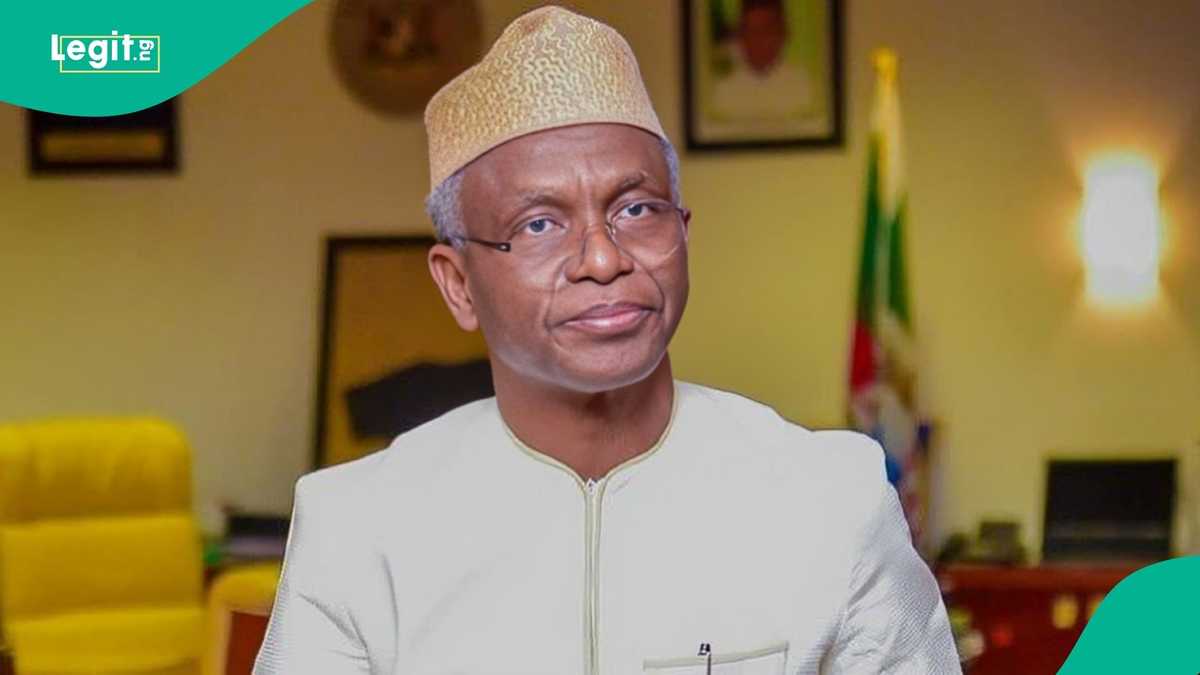
ICPC Yet To Act On El-Rufai’s Bail Application – Aide
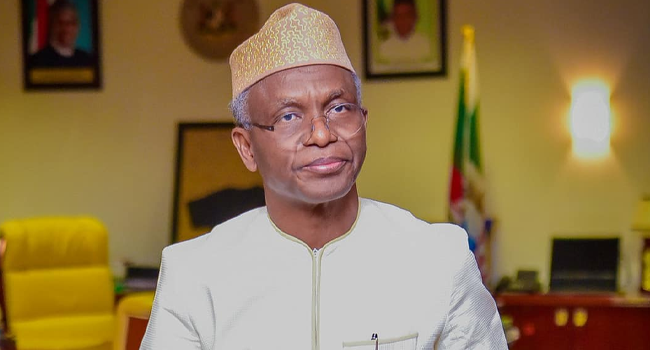
Kaduna Ex-Governor El-Rufai's Detention: Eight Days and Counting, But No Bail Response from ICPC
In a bizarre turn of events, former Kaduna State governor Nasir El-Rufai has been detained for eight days without a response to his bail application from the Independent Corrupt Practices and Other Related Offences Commission (ICPC). El-Rufai, who voluntarily reported to the Economic and Financial Crimes Commission (EFCC) on February 16, 2026, has been moved to ICPC custody since February 18.
According to his media adviser, Muyiwa Adekeye, El-Rufai's lawyers have yet to receive any response from the ICPC to their bail application, despite the expiration of the 48-hour window for holding a person without charge. This development has sparked concerns about the rule of law and the potential for abuse of power in Nigeria's anti-corruption agencies.
El-Rufai is currently facing multiple court cases, including a fundamental rights case against the Federal Government, ICPC, EFCC, and DSS, which is scheduled for hearing on February 25. He is also set to be arraigned on widely publicized charges filed by the DSS on the same date. In a separate suit, El-Rufai is challenging the legality of a search conducted at his Abuja residence on February 19, arguing that the search warrant was invalid and that his fundamental rights were violated.
Adekeye has also raised concerns about the treatment of El-Rufai while in custody. He alleged that access to the former governor was difficult, and that his lawyers reported that he suffered an overnight episode of bleeding from his nose. These allegations have sparked widespread criticism of the ICPC and the EFCC, with many calling for El-Rufai's immediate release.
The El-Rufai detention saga has sparked a heated debate about the balance between the need to investigate corruption and the need to uphold the rule of law. As Nigeria continues to grapple with the challenges of corruption and governance, the case of El-Rufai serves as a stark reminder of the need for accountability and transparency in the country's anti-corruption agencies.
Source: Original Article. AI-enhanced version.