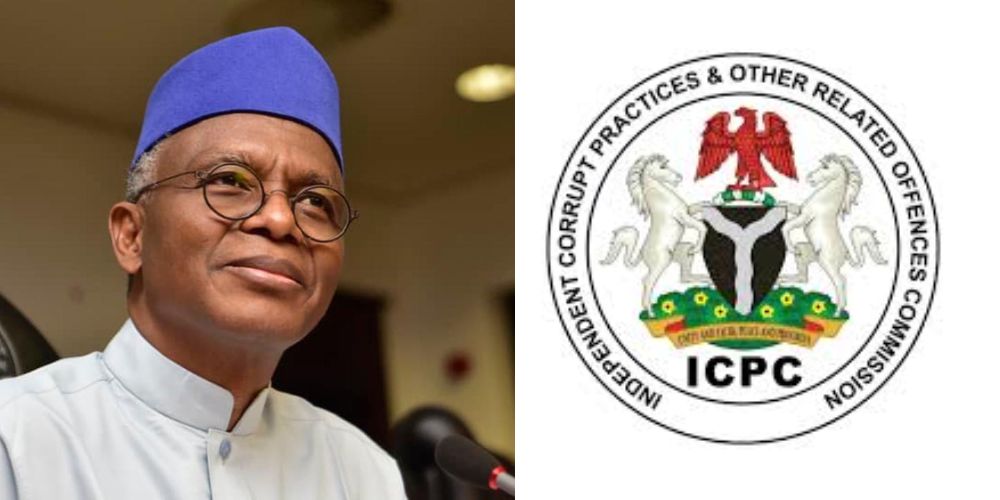
The Independent Corrupt Practices and Other Related Offences Commission (ICPC) has freed Nasir Ahmad El-Rufai, former governor of Kaduna State, from its custody. The release comes after the death of his mother, Hajiya Umma El-Rufai, who had been battling age-related health issues.
The ICPC made the decision shortly after the family announced Hajiya Umma's passing. Her death has drawn condolences from politicians, family friends, and sympathisers across the country.
Bashir El-Rufai, the former governor's son, confirmed the release. He stated that his father immediately reunited with the family to participate in burial rites and receive visitors in accordance with Islamic tradition.
The ICPC has yet to issue an official statement regarding the conditions of El-Rufai's release. However, sources close to the situation indicate that the commission considered the family's bereavement significant enough to grant him temporary freedom.
The ICPC's decision to release Nasir Ahmad El-Rufai on humanitarian grounds raises questions about the commission's priorities. While the former governor's mother was indeed a respected matriarch, critics may argue that this move undermines the ICPC's anti-corruption efforts. For everyday Nigerians, this development serves as a reminder that those in power often receive special treatment, even in times of crisis. The ICPC's handling of El-Rufai's case highlights the need for consistency and transparency in its operations.