How Nigeria Can Make More Money From Middle East Crisis – Jimoh Ibrahim
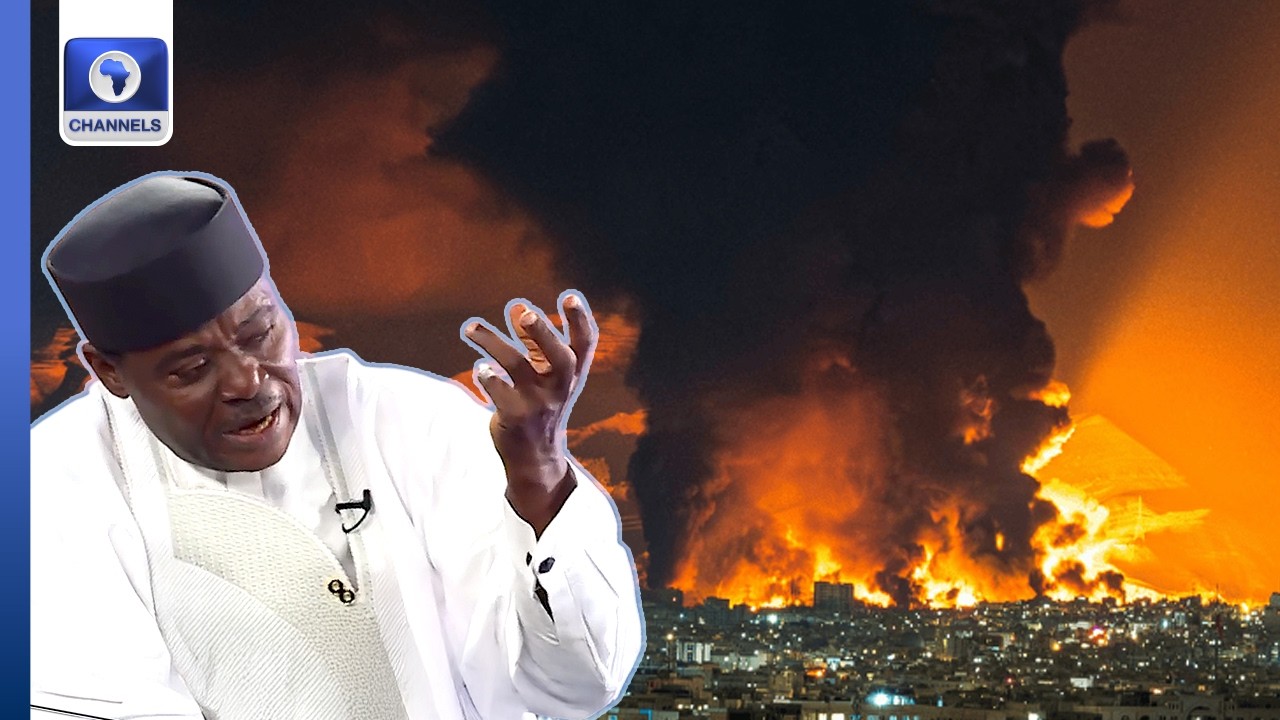
The senator representing Ondo South, Jimoh Ibrahim, has said that Nigeria stands to gain economically from the ongoing conflict in the Middle East.
Ibrahim, who spoke in an interview on Channels Television’s Politics Today programme on Friday, assessed the implications of the crisis on the country’s economy, particularly in relation to oil and energy markets.
Asked how the conflict could affect Nigeria in terms of grains and energy, Ibrahim explained that rising oil prices could strengthen Nigeria’s economy.
“You will have more money; that’s one thing. It will reduce borrowing. The price of the dollar may initially rise, but when you sell more oil at higher prices, you get more dollars.
“That allows the central bank to intervene in the black market and stabilise rates, making dollars more available. Once that happens, the macroeconomic effect will improve because price stability promotes a sustainable economy arising from cash inflows, not borrowed funds,” Ibrahim, who is also the ambassador-designate of Nigeria to the United Nations, said.
READ ALSO: Oil Stays Above $100, Stocks Slide Tracking Middle East War
The businessman also highlighted the progress in Nigeria’s debt management under President Bola Tinubu’s administration:
“Right now, revenue-to-debt servicing is 68%. Kudos to Bola Tinubu. Before he came, a 96% GDP-to-revenue ratio went to debt management, meaning for every 100 naira, 96 naira went to debt. Now, you save about 38 naira in your pocket.
“With oil prices almost doubling, Nigeria has more dollars to stabilise the macroeconomic system. So, I don’t think there will be much of a problem,” he said.
Ibrahim added that the conflict could result in higher domestic costs, particularly for transportation, due to rising fuel prices.
“Nigeria is a member of the geocentric system and cannot isolate itself. The government is considering policies to cushion potential impacts. They are capable of doing this because they are receiving significant revenue from crude oil,” the lawmaker said.
Global War Risks?
Fears of a potential World War III have risen significantly following the escalation of the Iranian conflict. But Senator Ibrahim dismissed such concerns.
“I know you fear war, world war. That will not happen. There is nothing like a world war. Coming to what is happening in Israel, the US, and Iran, that cannot lead to a world war.
“Before it can aggravate and become a war. But when it starts, when missiles are thrown like this up and down, you are scared. ‘Oh, World War is coming; the world is coming to an end.’ This has been predicted several times, but it never happened. So there is no world war. It cannot lead to world war,” he said.
Iran–Israel–US Conflict
The Middle East crisis escalated after joint US–Israeli airstrikes on Iran on February 28, 2026, targeting Iranian leadership and infrastructure, reportedly killing Iran’s Supreme Leader, Ali Khamenei. He was succeeded by his son, Mojtaba Khamenei.
The conflict, now entering its third week, has killed more than 1,300 civilians in Iran, displaced around 3.2 million people, and claimed over 600 lives in Lebanon during Israeli strikes against Hezbollah.
At least seven US soldiers have also been reported killed. Iran has retaliated by launching missiles at US and allied targets across the region.
The crisis has caused global oil prices to surge above $100 per barrel as Iran blocked the Strait of Hormuz, a major route for crude shipments.
This disruption has affected Nigeria, pushing domestic petrol prices to between ₦1,075 and ₦1,165 per litre, potentially impacting transport and food costs.
The Nigerians in Diaspora Commission is escorting Nigerian citizens out of the region via the Armenian border, with no casualties reported so far. However, many remain stranded in Middle Eastern transit hubs due to flight cancellations and airspace closures.
Source: Original Article • AI-enhanced version for clarity & Nigerian context
Related Stories


