How Modi ‘broke down walls’ between India, Israel – at Palestine’s expense
**India's Shift on Palestine: The Modi-Netanyahu Alliance**
In 2017, when Indian Prime Minister Narendra Modi touched down in Israel, the relationship between the two nations marked a significant turning point. Analysts suggest that Modi has successfully broken down the barriers that once separated India and Israel. However, this development has come at a cost – to Palestine and India's reputation as a champion of justice.
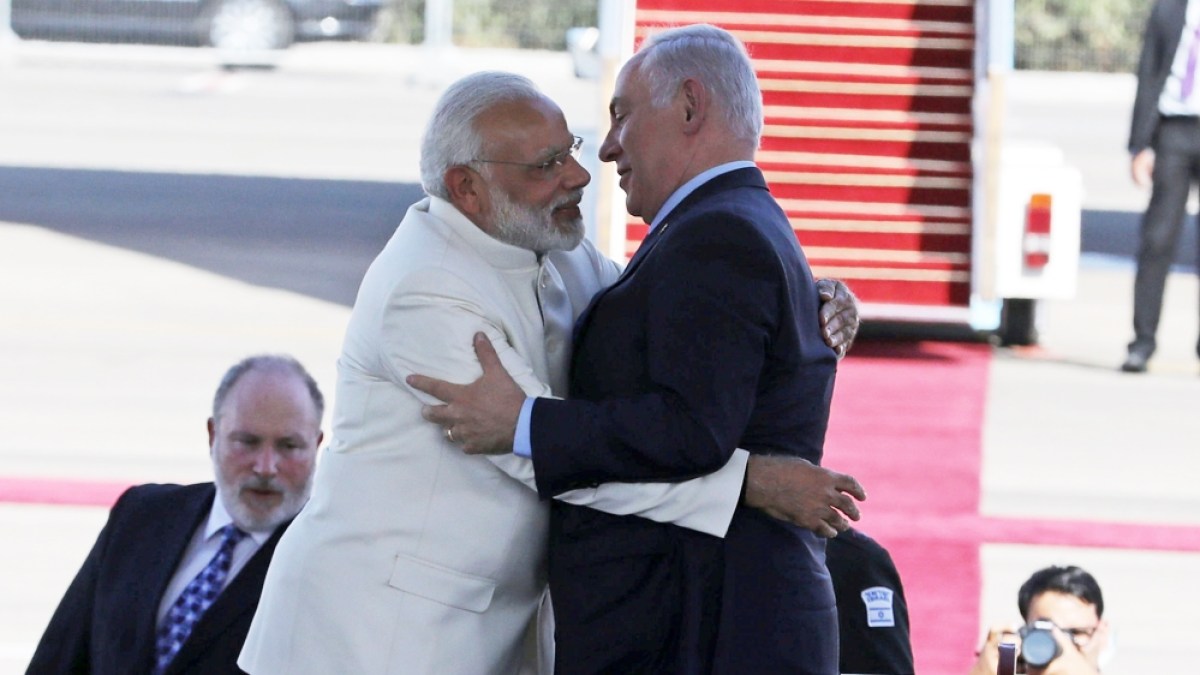
Modi's visit to Israel was historic, marking the first time an Indian prime minister had set foot in the country. The warm reception he received from Israeli Premier Benjamin Netanyahu reflected the growing closeness between the two nations. Today, their friendship is one of the most open and visible relationships between India and a foreign country. Notably, despite international criticism, Modi has continued to praise Netanyahu as a close friend.
But at what price? Many in Nigeria and elsewhere in Africa might wonder how a nation that once stood with Palestine can now openly ally itself with Israel. The answer lies in India's pragmatism. With Israel's cutting-edge technology and military expertise, New Delhi sees significant benefits in strengthening ties. However, this shift has also raised concerns about India's stance on Palestine.
Analysts argue that India's pivot towards Israel has eroded its moral standing in the Global South. This shift has been accompanied by a decline in India's support for the Palestinian cause. The situation in Gaza remains dire, with ongoing conflict and humanitarian crises. For critics like Anwar Alam, a senior fellow at the Policy Perspectives Foundation, Modi's visit to Israel amounts to a endorsement of the Israeli state's oppressive policies.
India's change of heart is rooted in its post-Cold War politics. While India traditionally aligned with Arab states on the Palestinian issue, the end of the Cold War led to a re-evaluation of its foreign policy. New Delhi's outreach to the United States and the establishment of diplomatic relations with Israel marked a significant departure from its earlier stance. Since then, defence ties have remained a cornerstone of the bilateral relationship, which has expanded to other areas.
The rise of Modi's Hindu nationalist BJP in 2014 marked a significant shift in India's foreign policy. The party's ideology has been characterized by a focus on India's national interest, often at the expense of its traditional allies. While this new approach has brought India closer to Israel, it has also sparked concerns about the country's commitment to justice and human rights.
In conclusion, India's shift on Palestine reflects a broader re-evaluation
Source: Original Article. AI-enhanced version.