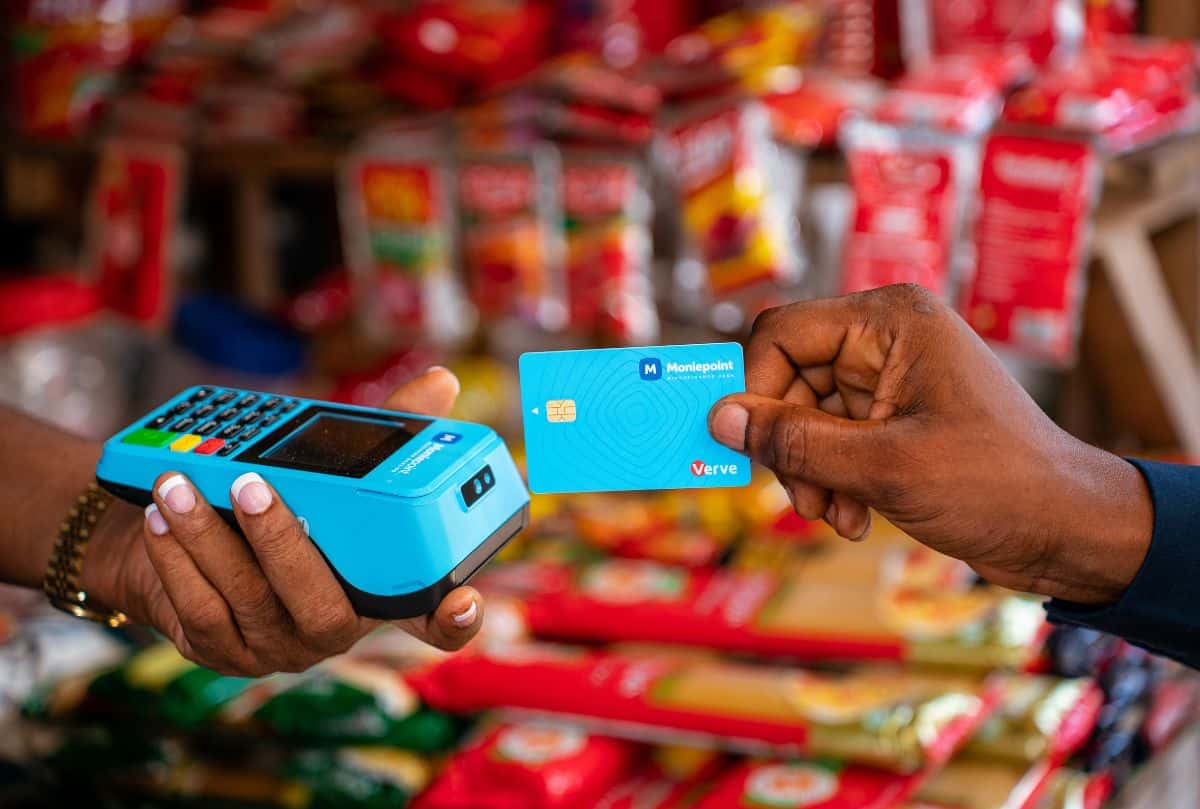
Ghana's government is taking a firm stance against mobile money (MoMo) fraud, a growing concern in the country's booming digital economy. The government has announced plans to block Ghana Card IDs linked to multiple MoMo fraud cases, effectively cutting off offenders from telecom services and public systems. This move aims to curb the rising tide of digital identity theft, which has seen over 16,700 fraud cases in the financial sector in 2024, with mobile money accounting for 15,673 of them.
The new SIM registration framework, announced by Ghana's Minister of Communications, Digital Technology and Innovations, Samuel Nartey George, will introduce stricter biometric verification and tighter links between SIM cards and national IDs. This change is a response to the rapid growth of mobile money in Ghana, which has become an essential part of daily life, used for payments, transfers, and savings. However, weak SIM registration systems and identity loopholes have made it easier for fraudsters to operate using multiple numbers.
The impact of this move is not limited to Ghana; it signifies a shift in how digital identities are viewed and managed across Africa. The continent is witnessing a rapid growth in digital life, with phone numbers and national IDs becoming the backbone of fintech and public services. Ghana's action demonstrates a change in approach, where digital identities are subject to restrictions or revocation in the event of misuse.
Ghana's move to block IDs linked to MoMo fraud sends a strong signal that digital identities will no longer be a free pass for malicious activities. This approach should be a wake-up call for other African countries to review their own digital identity management systems. In Nigeria, companies like Flutterwave and Paystack have made significant strides in fintech, but they too must prioritize robust identity verification to prevent similar issues.