Future of Electric Vehicles in Emerging Markets: 2026 Growth
**The Future of Electric Vehicles in Nigeria and Beyond: Unlocking Growth in Emerging Markets**
As the world continues to shift towards electric mobility, it's no longer just a story of innovation in the West. In emerging markets like Nigeria, entrepreneurs, governments, and utilities are working together to bring affordable and sustainable electric vehicles to the masses. This new playbook for electrification is centered around three key areas: affordability, alternative ownership models, and ruggedized hardware.
**Where the Demand is Coming From**
In Nigeria, the demand for electric vehicles is not just driven by high-end car buyers. Rather, it's coming from the everyday mobility needs of ride-hailing drivers, delivery couriers, and urban commuters who see the cost benefits of switching to electric power. With lower running and maintenance costs, they can save money and increase their earnings. Governments are also supporting the transition with policy incentives aimed at reducing air pollution and lowering import bills.
**Diverse Vehicle Classes, Different Dynamics**
In countries like Nigeria, two- and three-wheelers are leading the adoption of electric vehicles. They are cheaper to electrify and offer immediate fuel savings, making them an attractive option for commuters and entrepreneurs. Light commercial vehicles, such as last-mile delivery vans, are also popular, as fleets can centralize charging and quickly recoup their investment. Heavy trucks and long-haul use cases will take longer to adopt, pending improvements in battery density and charging network infrastructure.
**Charging, Grid, and Energy Realities**
In emerging markets, charging infrastructure will be different from what we see in wealthier countries. Expect to see:
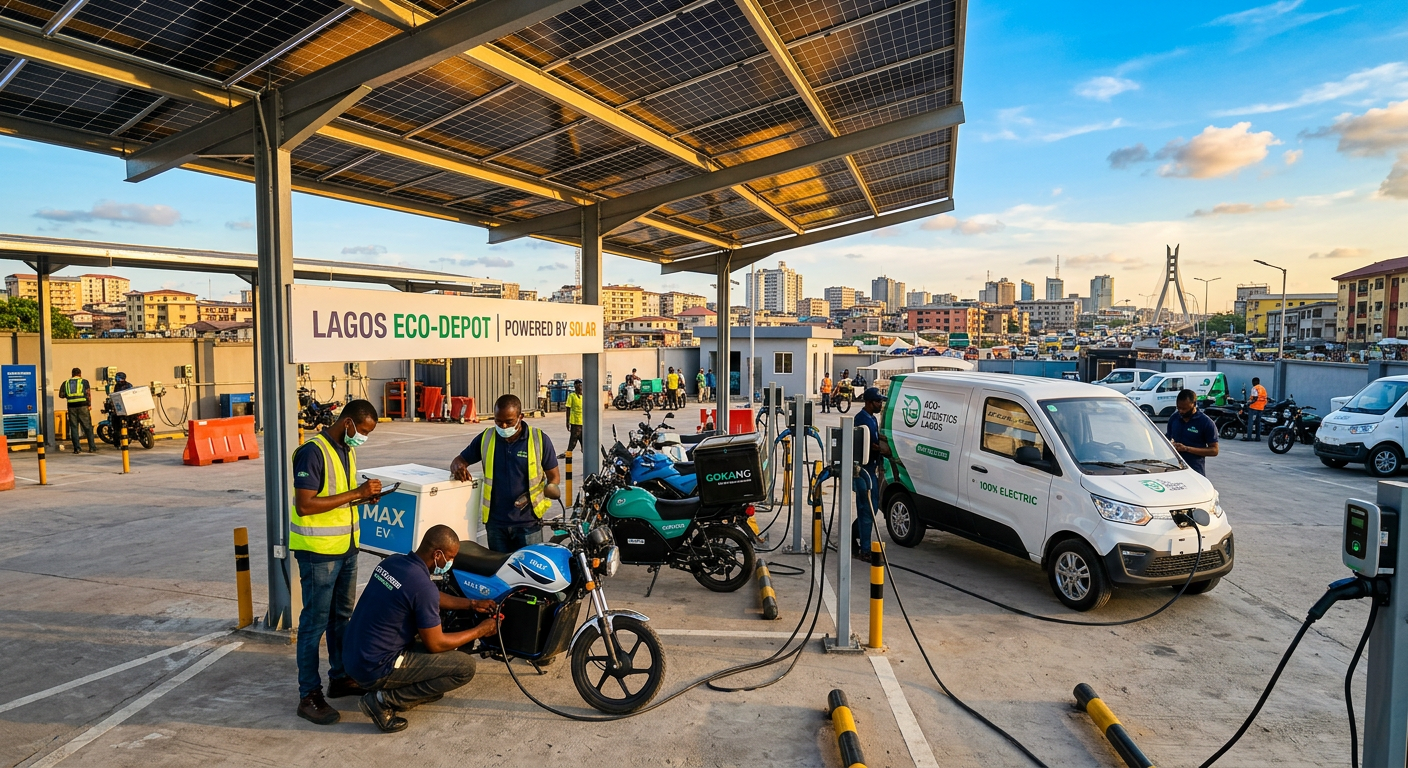
* Distributed, low-cost charging solutions, such as solar-backed micro-grids and neighborhood charging hubs, which reduce dependence on fragile grids.
* Increased use of battery swap stations for two-wheelers and light EVs, where quick turnaround beats long fast-charging sessions. Battery swapping has been successful in countries like China and India, and is gaining traction in Nigeria.
**Opportunities for Nigerian Startups, Investors, and Policymakers**
As the demand for electric vehicles grows, there are opportunities for Nigerian startups, investors, and policymakers to shape the future of mobility in the country. With the right policies and investments, Nigeria can become a leader in the adoption of electric vehicles in Africa. By supporting the development of affordable and sustainable electric vehicles, we can reduce air pollution, create jobs, and promote economic growth.
Source: Original Article • AI-enhanced version for clarity & Nigerian context
Related Stories