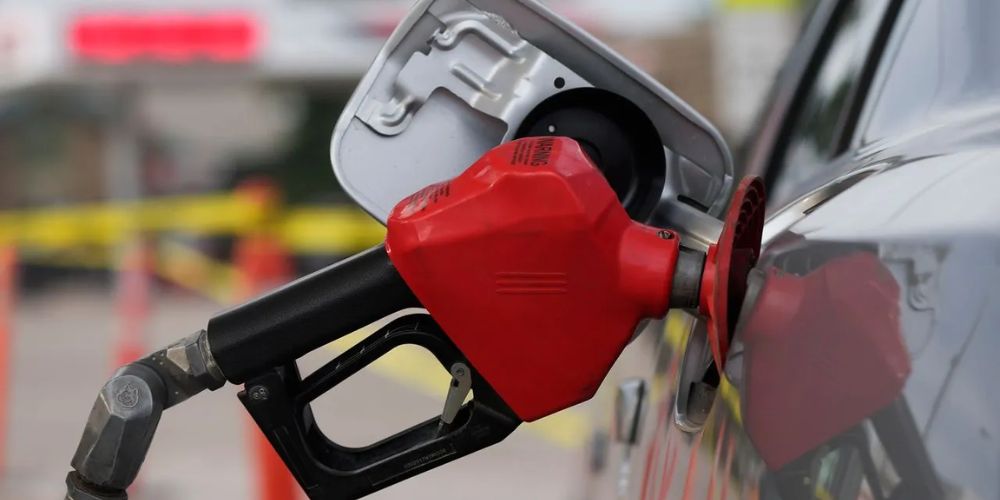
Fuel prices in Nigeria have surged to alarming levels, driven by rising global crude oil benchmarks and domestic pricing dynamics. The sharp escalation in petrol prices has far-reaching implications across the economy, transmitting inflationary shocks through transportation, food supply chains, manufacturing, and services.
The Lagos Chamber of Commerce and Industry has warned that with crude oil prices climbing to about $112 per barrel and ex-depot petrol prices rising to around N1,245 per litre, pump prices in Nigeria could approach N1,500 per litre in the near term. This would have devastating effects on households and businesses, further eroding purchasing power and shrinking already fragile margins.
Fuel remains a foundational input across nearly all sectors of the Nigerian economy, powering logistics, production, and distribution. As petrol and diesel costs rise, businesses are left with little choice but to pass on higher costs to consumers, exacerbating the economic crisis.
The Centre for the Promotion of Private Enterprise has also flagged mounting risks arising from rising energy costs and policy signals that could further burden an already strained productive sector. Nigeria's structural vulnerabilities in the energy sector are amplifying the crisis, with inadequate domestic refining capacity forcing reliance on a combination of local refining and imports.
The consequences of these developments are already visible, with higher fuel prices translating directly into increased transportation fares, rising food prices, and escalating costs of basic goods and services.
The Lagos Chamber of Commerce and Industry and the Centre for the Promotion of Private Enterprise are right to sound the alarm on Nigeria's economic woes. The proposed additional tax on beverages is a case in point, as it would further burden an already strained productive sector. The government must take concrete steps to address the structural vulnerabilities in the energy sector, including investing in domestic refining capacity and reducing reliance on imports. The consequences of inaction are clear: higher fuel prices, shrinking margins, and growing uncertainty about survival for businesses, and increased hardship for households. It is time for the government to act decisively to protect the economy and the people.