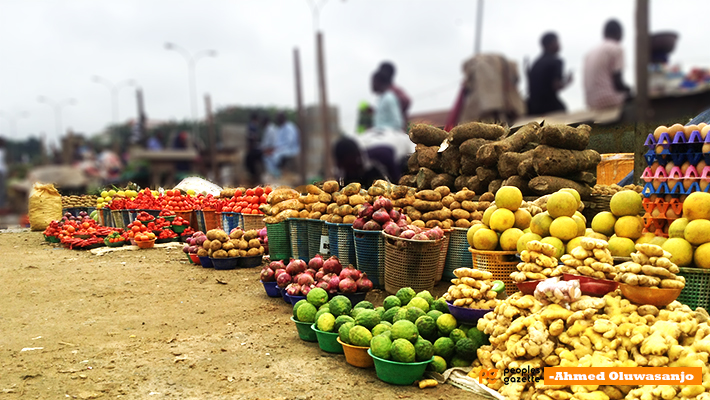
Nigerians are facing a perfect storm of rising costs for basic necessities. A recent survey by journalists in the Federal Capital Territory and its environs revealed a sharp increase in prices of food items, goods, and services.
The price hike is largely attributed to the surge in the pump price of petroleum products, triggered by the Middle East crisis. This development has put a strain on households, traders, business owners, consumers, and citizens alike, as many struggle to make ends meet.
The data gathered from various markets in Abuja paints a grim picture. At the Orange market on Abuja-Keffi Road, a big basket of tomatoes, which used to cost between N9,000 and N10,000 in February, is now being sold for between N30,000 and N35,000. Similarly, a big bag of onions, which cost between N15,000 and N25,000, is now being sold for between N40,000 and N45,000.
The situation is equally dire at Lugbe market, where a dustbin basket of sweet potatoes, which used to cost between N1,000 and N1,200, is now being sold for between N2,000 and N2,500. Five tubers of yams, which used to cost between N6,000 and N6,500, are now being sold for between N8,000 and N10,000.
Experts warn that the rising costs of basic necessities will have a ripple effect on the economy, exacerbating the already dire living conditions for many Nigerians.
The current fuel prices hike is a stark reminder of the government's inability to cushion the effects of economic shocks on ordinary Nigerians. The rising costs of basic necessities like food, yams, and onions will undoubtedly exacerbate the already dire living conditions for many households. The Federal Government must take urgent action to address the growing economic burden on citizens. The recent price hikes are a direct consequence of the government's failure to diversify the economy and reduce its reliance on imported petroleum products. As Nigerians struggle to make ends meet, the government must demonstrate a commitment to addressing the root causes of this economic crisis.