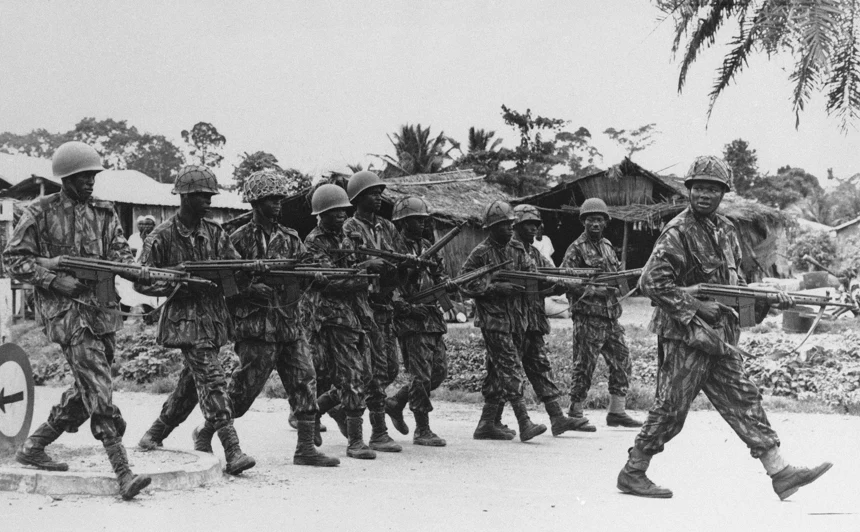
Former president Olusegun Obasanjo has said Nigerian troops should not have fought Biafran soldiers during the civil war that lasted from July 6, 1967, to January 15, 1970. In an interview on the Before Tomorrow Comes Podcast, Obasanjo described the war as a tragedy that should not have occurred. He stated that the country would have been better served if, at the end of the war, there had been an acknowledgment that the conflict should not have taken place, followed by an apology and reconciliation. Obasanjo emphasized that holding on to grievances over past actions by ethnic groups, including the Igbo, Yoruba, and Hausa-Fulani, would prevent national unity. He argued that no group is entirely good or bad, noting that individuals within every ethnic group have committed wrongs. Reflecting on his personal experience during the period of coups and unrest, Obasanjo recalled being moved from Kaduna to Maiduguri by General Hassan Katsina to avoid danger. He said this act likely saved his life, as he might have been killed had he remained in Kaduna during the height of the violence. Obasanjo urged all Nigerians to accept that mistakes were made on all sides, to stop assigning collective blame, and to focus on what needs to be done for the country's future.
Obasanjo questions the legitimacy of the civil war while having benefited from the same military structure that waged it. He calls for collective apology and forgiveness, yet served in the army that suppressed Biafra. His personal escape from death in Kaduna underscores the randomness of survival in those events. For Igbos who lost family members and nationhood, his call to move on may ring hollow.
Editorial note: AI-assisted opinion, not established fact. Full disclaimer →


