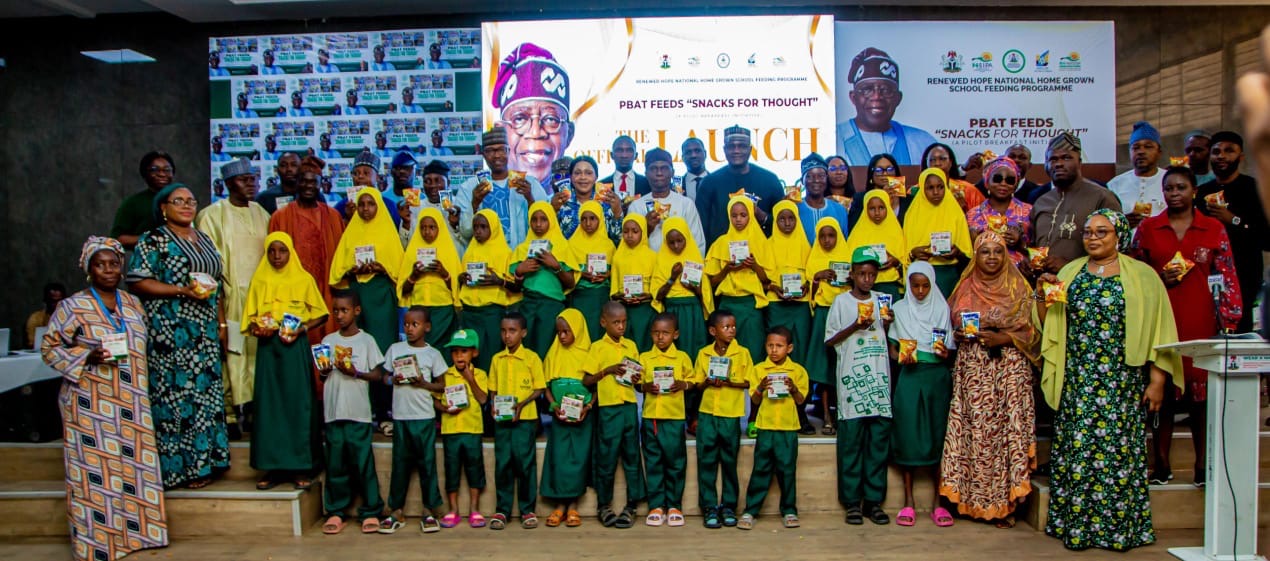
The Federal Government has introduced a new initiative aimed at improving learning outcomes through enhanced child nutrition. The programme, dubbed "Snacks for Thought", is designed to provide nutritious morning meals to school children before the start of academic activities. This strategic breakfast initiative is part of the Renewed Hope National Home-Grown School Feeding Programme (RH-NHGSFP) and is expected to strengthen Nigeria's human capital development.
The National Programme Manager of RH-NHGSFP, Dr Aderemi Adebowale, noted that the programme is built on the understanding that children cannot attain their full academic potential when they come to school hungry. Adebowale stated that the initiative would improve concentration, cognitive performance, school attendance and retention among pupils. The programme also aims to strengthen local agricultural value chains through structured procurement while creating opportunities for women, youth and smallholder farmers.
Dr Adebowale explained that the programme's success hinges on the ability of children to focus and learn effectively. She noted that a hungry child cannot learn, and a nation that ignores this cannot develop. The launch of "Snacks for Thought" marks a significant national policy shift toward ensuring that no child is left to learn on an empty stomach.
The programme's launch was attended by various stakeholders, including ministers, members of the National Assembly, directors-general, managing directors, development partners, and school children holding their meal packs. This event reflected a growing national resolve to prioritise child nutrition as a foundation for inclusive development.
The launch of "Snacks for Thought" is a welcome development, particularly given the significant impact of child hunger on learning outcomes. The programme's focus on strengthening local agricultural value chains and creating opportunities for women, youth, and smallholder farmers is also commendable. However, the success of this initiative will depend on its effective implementation and sustainability. The Federal Government must ensure that the programme reaches all schools across the country, particularly in rural areas where access to nutritious food is often limited. This initiative has the potential to improve the lives of millions of Nigerian children, and it is essential that the government prioritises its funding and resources to ensure its success.