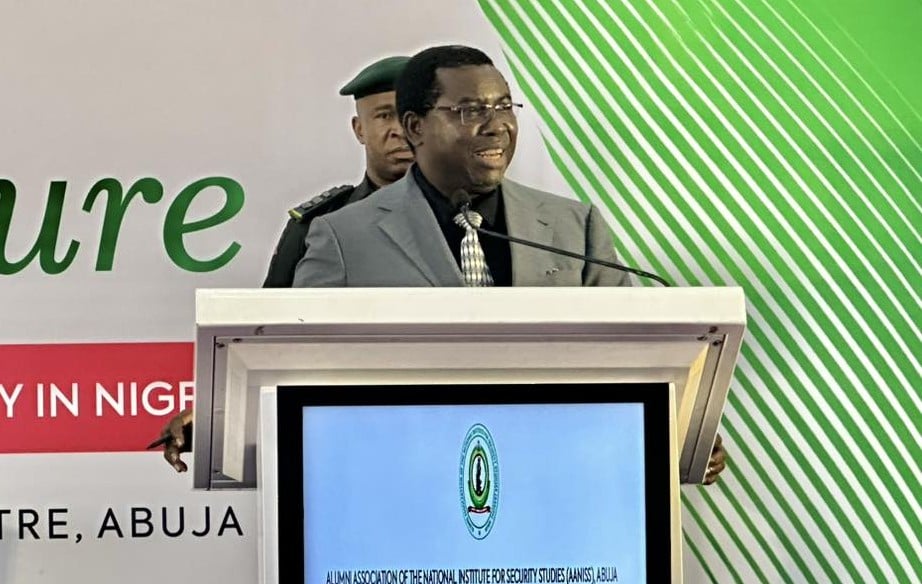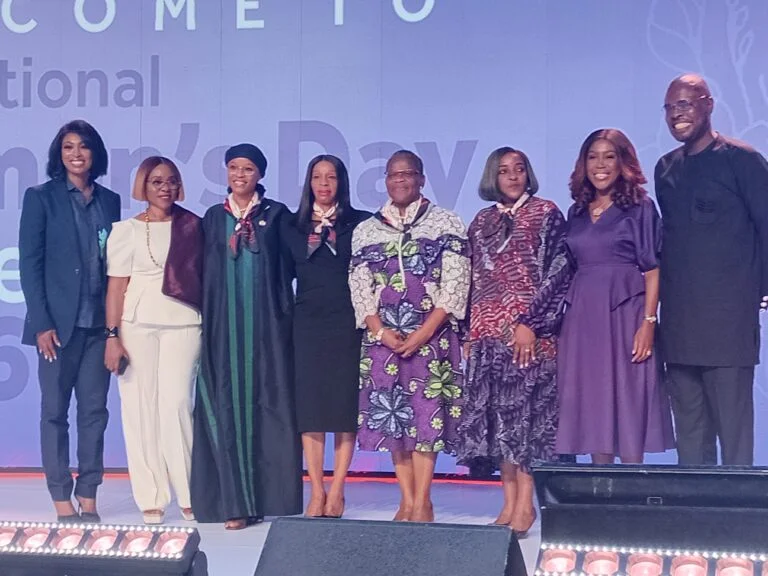
The Federal Government has reaffirmed its commitment to empowering women in the creative economy. This commitment is part of a broader effort to expand access to finance, skills development, and leadership opportunities for women. The Minister of Art, Culture, Tourism, and the Creative Economy, Hannatu Musawa, made this pledge at the International Women's Day Conference organised by Access Bank Plc in Lagos.
The conference, which drew over 5,000 participants, brought together stakeholders from the public and private sectors. Musawa, represented by the Director-General of the Centre for Black and African Arts and Civilisation, Mrs Aisha Adamu, highlighted the critical role women play in driving innovation and shaping society. She noted that culture, capital, and courage are key factors influencing women's participation in national development.
According to Musawa, women have historically been the invisible architects of Nigerian culture, yet their contributions have been underrepresented and undervalued. The ministry is working to reposition culture as a structured economic sector through creative hubs, skills development, and enterprise support programmes targeting women in film, fashion, digital media, and tourism.
Access Bank Plc has also expressed its commitment to empowering women in the creative economy. The bank's Chairman, Mrs Ifeyinwa Osime, called for deliberate and strategic investment in women as a catalyst for sustainable economic growth. Osime noted that women own about 39 per cent of businesses in Nigeria and drive nearly 40 per cent of new enterprises.
The Federal Government's renewed commitment to women empowerment is a welcome development, but it remains to be seen how effectively it will translate into tangible outcomes. The Ministry of Art, Culture, Tourism, and the Creative Economy must work to unlock targeted funding for women, strengthen market access, and improve data systems to support women entrepreneurs. The fact that women-owned businesses account for about 40 per cent of small and medium enterprises in Nigeria highlights the need for urgent action to address the persistent financing gap facing women. By prioritising women's inclusion in development processes, the government can unlock significant economic potential and drive sustainable economic growth.