Day 12: How Nigerians are suffering from the Middle East War

**Middle East War Fallout Hits Nigeria**
As the conflict between the United States, Israel, and Iran rages on, Nigerians are feeling the pinch. Despite being thousands of miles away from the war-torn region, the ripple effects of this global crisis are being felt in our country. Let's take a closer look at how Nigerians are suffering.
**Rising Fuel Prices**
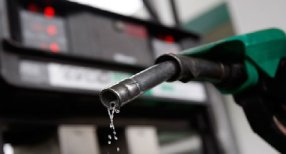
One of the most immediate impacts of the Middle East War is the surge in global oil prices. With major oil-producing nations like Iran and Iraq caught in the crossfire, crude oil prices have skyrocketed. This means that Nigeria, which relies heavily on oil exports, is facing a significant increase in revenue. However, the benefits of this increased revenue are being largely offset by the higher cost of fuel imports, which is being passed on to consumers. Nigerians are now facing higher fuel prices at the pump, making transportation and other fuel-dependent activities more expensive.
**Impact on the Naira**
The Middle East War is also having a negative impact on the Naira. As global investors become increasingly risk-averse, they are withdrawing their funds from emerging markets like Nigeria, causing the Naira to depreciate against major currencies like the US dollar. This makes imports more expensive and could lead to a rise in inflation, further eroding the purchasing power of ordinary Nigerians.
**Food Shortages and Inflation**
The ripple effects of the Middle East War are also being felt in Nigeria's food markets. With global food prices rising due to supply chain disruptions and trade restrictions, Nigerians are facing higher prices for staple foods like rice, wheat, and sugar. This could lead to food shortages and inflation, further exacerbating the economic challenges facing our country.
**What's Next for Nigeria?**
As the Middle East War continues to unfold, Nigerians can expect the situation to remain volatile. The government must take steps to mitigate the impact of the crisis on our economy and citizens. This could include implementing policies to stabilize the Naira, diversifying our economy, and investing in infrastructure to reduce our dependence on imported goods.
In conclusion, the Middle East War is having far-reaching consequences for Nigerians, from rising fuel prices to food shortages and inflation. As we navigate this challenging period, it's essential that we remain vigilant and work together to build a more resilient and self-sufficient economy.
Source: Original Article • AI-enhanced version for clarity & Nigerian context
Related Stories