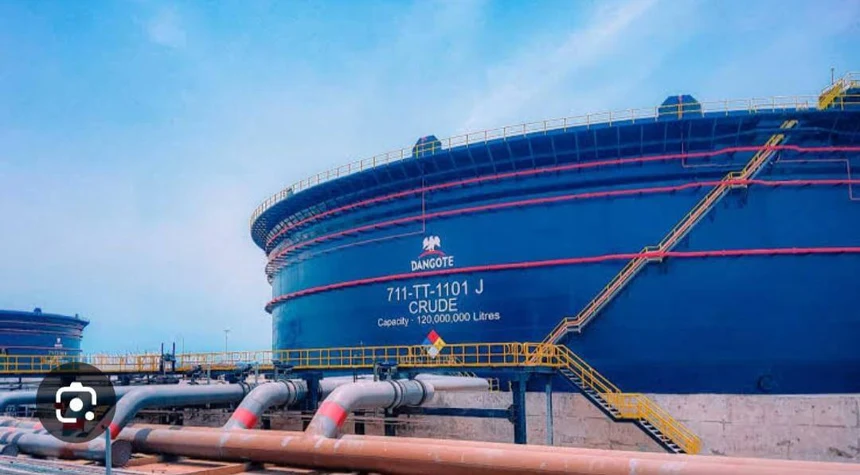
Dangote Petroleum Refinery has reduced the gantry price of Premium Motor Spirit by ₦75 per litre, bringing it down from ₦1,250 to ₦1,175 per litre. The adjustment, announced in a circular to fuel marketers on Monday, follows the de-escalation of tensions in the Middle East that had driven up energy prices over the past three months. The coastal price per metric tonne was also lowered, from ₦1,595,790 to ₦1,495,215. The new rates took effect at midnight on June 16, 2026, with all outstanding unloaded gantry volumes to be repriced accordingly.
The circular cited easing global oil market pressures, particularly after reported negotiations between the United States and Iran over the reopening of the Strait of Hormuz. Crude oil prices, which had surged above $120 per barrel during the conflict beginning February 28, have since retreated. On Monday, oil traded at about $83 per barrel after a deal was reportedly reached. During the peak of the crisis, Nigerian petrol prices reached around ₦1,300 per litre, up from approximately ₦830. Diesel and aviation fuel prices also rose significantly during the period.
According to Petroleumprice.ng, Dangote refinery petrol is now the cheapest in the market, with many marketers selling at around ₦1,240 per litre on Monday. The refinery attributed the price review to the improved global energy outlook and reaffirmed its commitment to reliable supply and service. "Following the de-escalation of tensions in the Middle East, which has impacted energy prices, we wish to inform you that we have reviewed our premium motor spirit gantry/coastal price," the circular stated. It added, "We sincerely appreciate your continued patronage and assure you of our unwavering commitment to reliable product supply and excellent service delivery."
Dangote Refinery cut petrol prices only after global crude costs dropped, not due to local efficiency gains. Nigerians paid ₦1,300 per litre for months while the refinery maintained higher prices during the spike. The relief now offered came solely from external market shifts, not internal reform. Consumers bear the full risk of volatility while the refinery locks in margins.
Editorial note: AI-assisted opinion, not established fact. Full disclaimer →