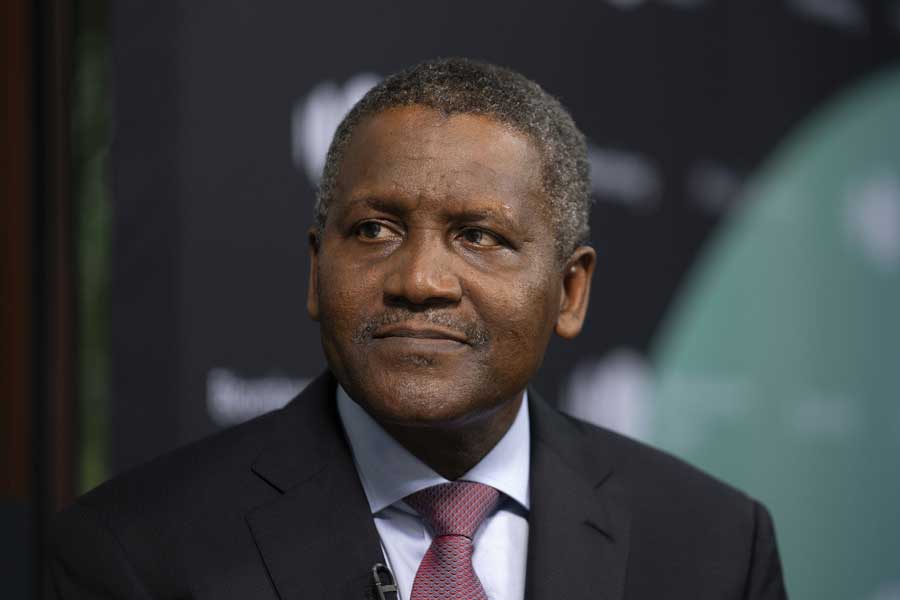
Aliko Dangote, the Chairman and Chief Executive Officer of the Dangote Group, has sounded a warning about the potential impact of the ongoing crisis in the Middle East on Nigeria and other African countries. The industrialist expressed concern that the global oil market volatility could have far-reaching effects on African economies already grappling with high debt levels and limited fiscal buffers.
Dangote made these comments after a meeting with President Bola Tinubu at his Ikoyi residence in Lagos. He noted that many African countries lack sufficient savings and financial cushioning, making them particularly vulnerable to external shocks. The absence of savings, he said, forces people to seek daily earnings, and some may struggle to survive if they do not work.
The industrialist drew parallels with how some countries responded during the COVID-19 pandemic. He noted that some countries have implemented remote work policies to mitigate the effects of escalating energy costs. Dangote warned that similar measures may become necessary in Nigeria and other African countries if the situation worsens.
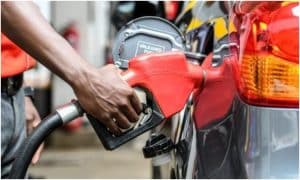
The remarks come amid growing fears that a prolonged Middle East conflict could push global oil prices higher, driving up inflation and increasing the cost of transportation, manufacturing, and essential services across Africa. Dangote cautioned that the effects would be felt most acutely by everyday Nigerians, particularly those in small-scale and informal businesses who depend heavily on daily earnings and energy-intensive operations.
The industrialist's comments highlight the potential consequences of the global oil market volatility on African economies. He warned that the effects would be felt most acutely by everyday Nigerians, particularly those in small-scale and informal businesses who depend heavily on daily earnings and energy-intensive operations.
President Tinubu and his economic team must take urgent action to mitigate the potential effects of the global oil market volatility on Nigeria's economy. The implementation of remote work policies, as suggested by Dangote, could be a viable solution to cushion the impact of rising oil prices on everyday Nigerians. However, this would require a coordinated effort from the government to provide support to small-scale and informal businesses that are most vulnerable to the effects of the crisis. The government must also explore other options to reduce the burden on Nigerians, such as providing subsidies for essential services or implementing targeted support programs for affected businesses. Ultimately, the government's response will determine the extent to which Nigerians are protected from the effects of the global oil market volatility.