Cuba's nationwide power grid collapse has left millions without electricity, with the government reporting a significant decrease in power supply over the past few months. The crisis has been exacerbated by the country's aging grid and dwindling oil supplies, which have been further strained by the removal of Venezuela's former President Nicolás Maduro and the halt in critical petroleum shipments from the nation.
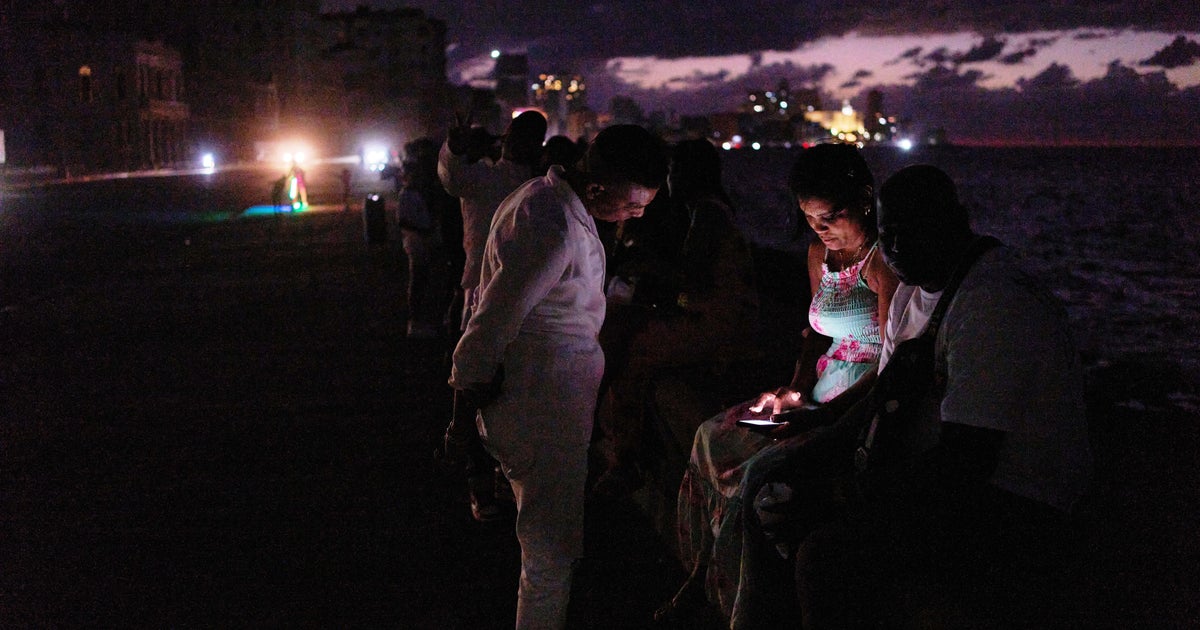
Cuba's energy crisis has led to widespread blackouts, with residents in Havana and other provinces forced to rely on local power microsystems to supply vital centers. The situation has become increasingly dire, with many residents struggling to cope with reduced work hours, lack of electricity for cooking, and damage to household appliances. The impact on daily life is significant, with many residents expressing frustration and exhaustion over the prolonged outages.
In an effort to restore power, Cuba has begun to repair its grid, with some 72,000 customers in the capital, including five hospitals, having electricity restored early Sunday. However, this is only a fraction of Havana's total population of approximately 2 million, and the government still faces a long and difficult road ahead in restoring power to the entire nation.
The crisis has also taken a toll on the government's relations with the US, with President Trump warning of tariffs on any country that sells or provides oil to Cuba. The US has also demanded that Cuba release political prisoners and move toward political and economic liberalization in return for a lifting of sanctions.
The situation in Cuba highlights the challenges faced by many countries in maintaining reliable energy supplies, particularly in the face of aging infrastructure and dwindling resources.
Cuba's energy crisis is a stark reminder of the challenges posed by aging infrastructure and dwindling resources in developing countries. The US's demands for political and economic liberalization in return for a lifting of sanctions only adds to the complexity of the situation, highlighting the need for a more nuanced approach to addressing the crisis. The impact on daily life in Cuba is a stark reminder of the importance of reliable energy supplies, and the need for governments to prioritize investment in infrastructure and resources.