The United States has requested Congress to allocate at least $200 billion more in funding for the war in Iran, with a significant portion of the funds aimed at replenishing depleted U.S. stockpiles of interceptor missiles. The request comes as the ongoing conflict in Iran has accelerated the depletion of these crucial defense assets.
According to President Trump, the decision to seek additional funding is partly due to the significant strain that providing aid to Ukraine has placed on U.S. weapons stockpiles. Trump has argued that the Biden administration's support for Ukraine's defense has compromised America's own defensive capabilities, citing a review of stockpiles last summer that led to a temporary pause in the shipment of some weapons to Ukraine. This episode highlighted the White House's concerns about the long-term sustainability of U.S. support for Ukraine's defense.
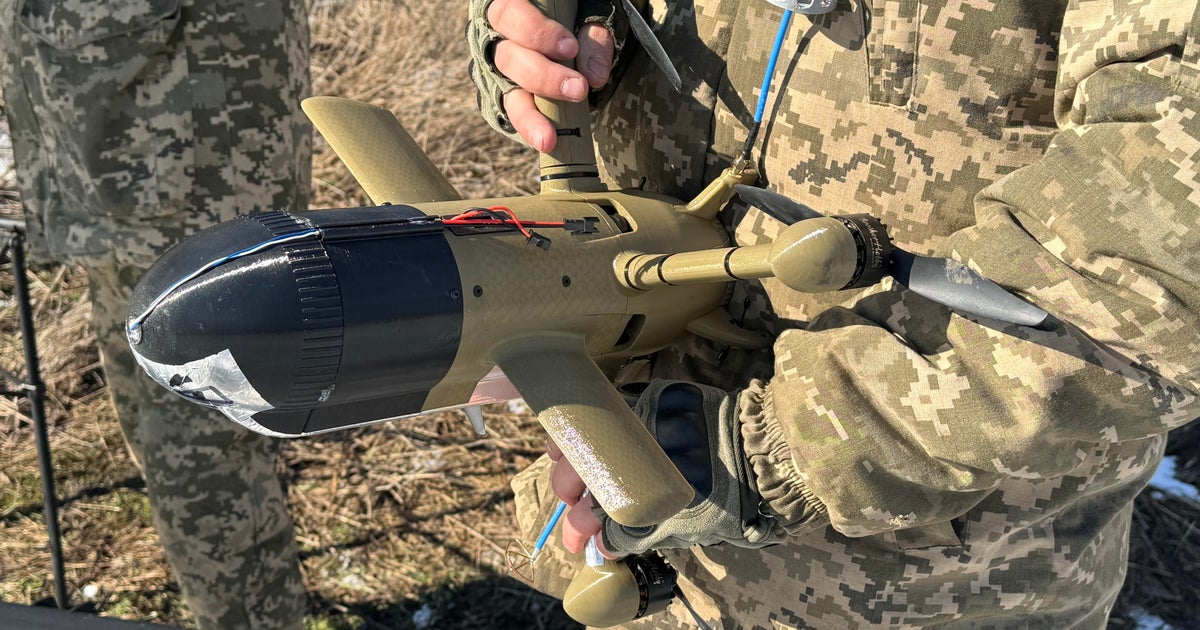
However, Ukraine is now offering to help alleviate these concerns by providing deals to replenish U.S. stocks of interceptor missiles. Ukrainian officials have met with Trump administration representatives to discuss a potential agreement to co-produce drones and drone interceptors, which could be worth between $35-50 billion. This development has significant implications for the future of U.S.-Ukraine defense industrial partnerships.
As the conflict in Iran continues to escalate, the need for Ukraine's assistance in replenishing U.S. stockpiles of interceptor missiles becomes increasingly pressing. The fate of these negotiations will have far-reaching consequences for the future of U.S. defense capabilities and its relationships with key allies in the region.
The recent developments in Ukraine's offer to help the U.S. replenish its stockpiles of interceptor missiles marks a significant shift in the dynamics of the conflict in Iran. It is clear that the Biden administration's support for Ukraine's defense has had unintended consequences, compromising America's own defensive capabilities. The proposed deal between Ukraine and the U.S. could lay the foundation for a long-term defense industrial partnership, one that could have significant implications for the future of U.S. defense capabilities in the region.