China sets lowest economic growth target since 1991
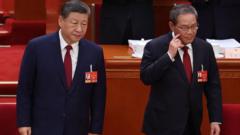
"Economic Storm Clouds Gather Over China: Lessons for Nigeria?"
As the world's second-largest economy, China's economic growth prospects have far-reaching implications for global trade, investment, and even the Nigerian economy. Recent data points to a slow-down in China's economic expansion, a trend that has significant implications for the country's long-term growth prospects and possibly for our own economy.
In a move that has caught many by surprise, China's economic planners have set the country's lowest growth target since 1991. According to official figures, China achieved its 5% growth target for 2025, a year that has seen the country navigate unprecedented challenges. However, a closer look at the data reveals a more nuanced picture – the economy actually grew at just 4.5% in the final quarter of last year. This slowing pace is attributed to a combination of factors, including weak domestic spending and the ongoing property crisis.
One of the key challenges facing China is a decline in consumer spending. The country's economic growth has traditionally been driven by domestic consumption, but a slowing job market and reduced purchasing power among middle-class households have taken a toll on this key driver. The property crisis, which was triggered by a massive real estate bubble, has further exacerbated the situation. As the sector struggles, it is taking a significant chunk out of the country's economic growth.
While the implications of China's economic slow-down are being closely watched in the global community, there are lessons to be gleaned for Nigeria's own economic trajectory. Our country has long been touted as one of the emerging markets with massive growth potential. However, the current economic reality in Nigeria is quite different – a struggling economy, high inflation, and a dwindling foreign exchange reserve. In light of China's experience, we must pay close attention to our own domestic consumption patterns and address the lingering issues in our housing sector.
In conclusion, the economic slow-down in China is a wake-up call for Nigeria and other emerging markets. It highlights the need for sustainable economic growth, driven by domestic consumption and a solid foundation in key sectors like housing. As Nigeria charts its own economic course, we would do well to learn from China's experience and prioritize policies that promote inclusive growth and stability.
Source: Original Article. AI-enhanced version.


