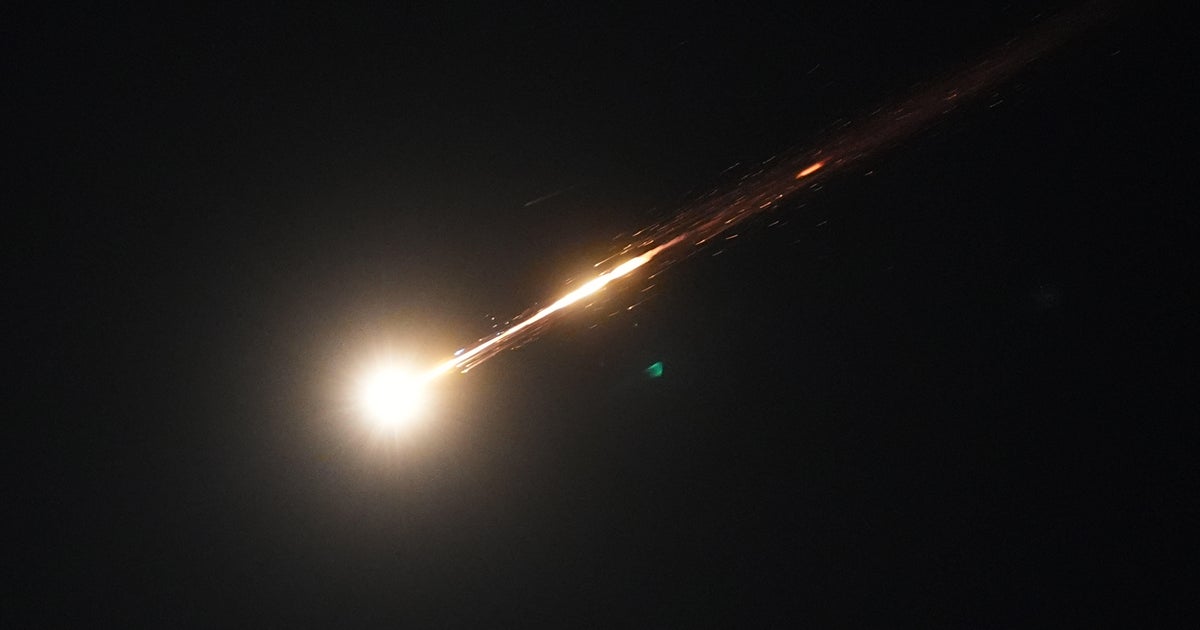
Iran's drone production poses a significant obstacle to regional stability, particularly in the Gulf region. The ability to manufacture and deploy low-cost drones has given the country a significant military advantage, allowing it to launch attacks on neighboring nations with relative impunity.
The Iranian military's reliance on drones has been a key factor in its ability to target oil tankers and other vessels in the Strait of Hormuz, a critical waterway that connects the Persian Gulf to the Arabian Sea. The writer notes that the Strait is a vital artery for global energy supplies, with millions of barrels of oil passing through it every day.
Experts say that the Iranian drone program is largely driven by the country's desire to counter the military superiority of its regional rivals, particularly the United States. The drones, which are often manufactured locally, are seen as a cost-effective way for Iran to project its military power without incurring the high costs associated with developing and deploying more advanced aircraft.
As the international community grapples with ways to curb Iran's drone production, the focus is on identifying vulnerabilities in the country's military supply chain. Diplomats and military officials are working to develop strategies that can effectively disrupt Iran's ability to manufacture and deploy drones, thereby reducing the threat to regional stability.
💡 NaijaBuzz TakeThe international community must take a decisive stance against Iran's drone production, which poses a significant threat to regional stability and global energy supplies. The use of cheap drones has given Iran a military advantage, but it also underscores the country's vulnerability to targeted disruptions in its military supply chain. A concerted effort to curb Iran's drone production is crucial to preventing further escalation in the region.