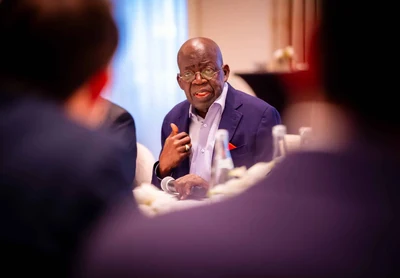
The Bureau of Public Procurement has launched a debarment policy to blacklist contractors who breach procurement rules, Director-General Adebowale Adedokun announced in Abuja on Thursday. Speaking at the inaugural Procurement Evolution Day marking 19 years of procurement reforms, Adedokun said the policy applies to contractors both within and outside Nigeria. He stated that the government has approved the bureau to handle cases of contract violations and fraudulent claims, a responsibility newly assigned to BPP. A 14-working-day standstill period has been introduced to resolve contractual disputes before project execution begins. All Ministries, Departments and Agencies must now publish contract awards monthly and submit quarterly performance reports to enhance transparency. Adedokun noted that digital platforms have replaced hard-copy submissions over the past year, reducing human interference in procurement processes. More than 4,000 procurement officers have been registered in a central database to improve oversight. The bureau is developing a national procurement transformation strategy covering federal, state and local governments. Specialised procurement frameworks are being created for sectors including infrastructure, pharmaceuticals, education and IT. Policies now reserve portions of government contracts for women-owned businesses, startups, vulnerable groups and local communities. The Nigeria First policy is being expanded to prioritise indigenous businesses in automobiles, textiles, IT, renewable energy and agriculture, with public institutions encouraged to procure locally assembled vehicles. Career management for procurement officers has returned to BPP, with sanctions for those violating the Public Procurement Act. Six universities now offer undergraduate programmes in sustainable procurement, environment and social standards. Adedokun added that the bureau is deepening collaboration with anti-corruption agencies, civil society organisations and professional bodies. Former BPP Director-General Dr Emeka Ezeh, speaking as guest lecturer, urged stronger contract management, enforcement of sanctions and improved project monitoring. He warned that delayed contract payments inflate project costs as contractors account for inflation and financial risk in their bids.
Adebowale Adedokun announced stricter oversight on contractors while revealing the government only recently granted BPP authority to handle contract violations, raising questions about past unchecked breaches. The 14-day dispute resolution window implies projects may have proceeded without such safeguards before now. Contractors were already factoring in payment delays through inflated bids, confirming systemic flaws in execution. Expanding procurement training and digital systems suggests prior reliance on outdated, error-prone methods.
💡 NaijaBuzz Take is AI-assisted editorial opinion, not established fact. Full disclaimer →