Apple can delist apps "with or without cause," judge says in loss for Musi app
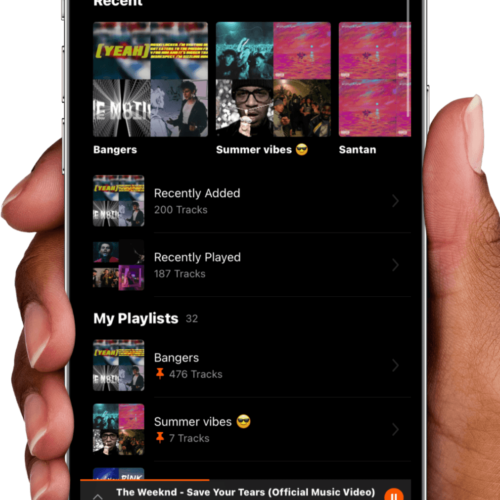
Musi, a free music streaming app that had tens of millions of iPhone downloads and garnered plenty of controversy over its method of acquiring music, has lost an attempt to get back on Apple’s App Store. A federal judge dismissed Musi’s lawsuit against Apple with prejudice and sanctioned Musi’s lawyers for “mak[ing] up facts to fill the perceived gaps in Musi’s case.”
Musi built a streaming service without striking its own deals with copyright holders. It did so by playing music from YouTube, writing in its 2024 lawsuit against Apple that “the Musi app plays or displays content based on the user’s own interactions with YouTube and enhances the user experience via Musi’s proprietary technology.” Musi’s app displayed its own ads but let users remove them for a one-time fee of $5.99.
Musi claimed it complied with YouTube’s terms, but Apple removed it from the App Store in September 2024. Musi does not offer an Android app. Musi alleged that Apple delisted its app based on “unsubstantiated” intellectual property claims from YouTube and that Apple violated its own Developer Program License Agreement (DPLA) by delisting the app.
Musi was handed a resounding defeat yesterday in two rulings from US District Judge Eumi Lee in the Northern District of California. Lee found that Apple can remove apps “with or without cause,” as stipulated in the developer agreement. Lee wrote:
The plain language of the DPLA governs because it is clear and explicit: Apple may “cease marketing, offering, and allowing download by end-users of the [Musi app] at any time, with or without cause, by providing notice of termination.” Based on this language, Apple had the right to cease offering the Musi app without cause if Apple provided notice to Musi. The complaint alleges, and Musi does not dispute, that Apple gave Musi the required notice. Therefore, Apple’s decision to remove the Musi app from the App Store did not breach the DPLA.
Apple terms hold up, judge rules
Musi argued that more was required of Apple because of other provisions in the agreement, such as one stipulating that Apple may stop offering an app download if it “reasonably believes,” based on a human or systematic review, that the application infringes intellectual property rights.
Source: Original Article • AI-enhanced version for clarity & Nigerian context
Related Stories