ANALYSIS: Huge toll of postponement of WAFCON 2026
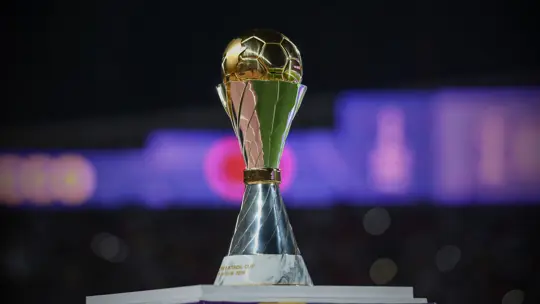
With just 12 days left before the initially scheduled kickoff, the late postponement of the 2026 Women’s Africa Cup of Nations (WAFCON) has thrown the tournament into disarray.
On 5 March, the Confederation of African Football (CAF) confirmed that the competition would no longer be held between 17 March and 3 April as earlier planned. Instead, it will now take place from 25 July to 16 August.
According to CAF, host nation Morocco requested the shift due to “unforeseen circumstances.”
In reality, the decision upended months of planning across the continent. Nigeria’s Super Falcons were already deep into preparations and had just completed two friendly matches against Cameroon. Several other teams were also finalising camps or travelling for pre-tournament preparations.
The decision to move the tournament barely weeks before the opening ceremony has left teams in logistical chaos. Nigeria and Ghana had both entered advanced training camps, while Ghana’s team was reportedly stranded overseas in Dubai when news of the postponement broke.
The ripple effects extend beyond the continent. African stars such as Zambia’s Barbra Banda and Malawi’s Temwa Chawinga—both playing in the National Women’s Soccer League (NWSL) in the United States—may now face club-versus-country conflicts during the summer window.
Crucially, the tournament also doubles as a qualification for the 2027 FIFA Women’s World Cup in Brazil, with the top four teams securing tickets. The postponement, therefore, compresses a critical pathway to global qualification.
Economic and organisational fallout
The sudden shift has also created significant financial and organisational consequences.
Federations and host organisers must now deal with wasted travel bookings, training camps and broadcast arrangements. Fans who had booked flights and hotels for March fixtures must now rebook for the summer tournament window, while sponsors lose the value of promotional campaigns planned around the original schedule.
Domestic leagues and clubs will also feel the impact. African players based abroad are now likely to miss club fixtures in July and August—whereas they would have been available had the tournament been held during the earlier window.
Sports journalist Onyinyechi Obaroh said the timing of the announcement has far-reaching implications.
“The curious timing of the postponement could prove disruptive for players who have prepared for months, federations that arranged training camps, journalists and fans who made travel plans,” she wrote in a post on Facebook.
Broadcast partners are equally affected. While CAF said “preparations are underway,” it did not provide a detailed timeline, leaving media organisations uncertain about programming and coverage schedules.
For Nigeria’s Super Falcons, the disruption is particularly acute. Training cycles designed to peak in March must now be recalibrated for July and August, requiring additional resources and adjustments.
Several members of the squad also play club football in Europe and Asia, where league calendars may conflict with the revised tournament dates.
In effect, Nigeria’s carefully structured preparations to defend its continental crown have been abruptly disrupted.
Psychological and sporting consequences
Beyond logistics and finances, the postponement has taken a psychological toll on players and coaches.
Super Falcons captain Rasheedat Ajibade expressed her frustration on social media, writing: “African women’s football deserves better.”
AS Roma forward Omorinsola Babajide was equally blunt in her criticism, posting: “It’s actually embarrassing at this point.” She described the late decision as a “bitter pill to swallow” after months of preparation.
Her international teammate Christy Ucheibe also voiced strong disappointment. The Benfica midfielder criticised the decision and argued that players deserve greater respect for their dedication to the women’s game.
“It’s actually disrespectful to what we represent! We deserve respect,” Ucheibe wrote.
Across the continent, similar sentiments emerged. South Africa’s Banyana Banyana coach Desiree Ellis, in a radio interview, questioned the handling of the situation, asking: “Do you think this would happen in the men’s game? after 7 March 7 we can’t keep players in camp. It’s not a FIFA date.”
Such remarks reflect a broader perception that women’s football competitions are not managed with the same level of professionalism as their men’s counterparts.
From a sporting standpoint, the delay also threatens performance levels. Teams that had built momentum earlier in the year must now readjust their preparation cycles and tactical planning.
Players who were in peak form in early 2026 may no longer maintain that level by August, while others could experience injuries, club conflicts or fluctuating form.
Critics have described the postponement as “a lack of professional foresight,” particularly because WAFCON serves as Africa’s primary qualification route to the Women’s World Cup.
In Babajide’s view, the backlash represents “the face of a mounting demand for better governance and respect” for the women’s game.
Broader impact on African women’s football
The consequences extend beyond Nigeria.
Observers warn that repeated scheduling disruptions risk damaging confidence in the administration of women’s football across Africa. South Africa’s sports minister has already publicly suggested that such confusion would be unlikely in a men’s tournament.
CAF has faced similar criticism in recent years after postponing major competitions, including the men’s African Nations Championship in 2025.
For sponsors and broadcasters, stability in scheduling is essential. Last-minute changes can undermine investment confidence and discourage long-term partnerships.
The host nation, Morocco, also faces economic consequences. Stadiums, hotels and local businesses had prepared for March crowds, and those anticipated revenues are now postponed or uncertain.
National federations across Africa must also revise budgets. Many had already allocated funds for travel, accommodation, player bonuses and tournament logistics. Extending preparations until July could stretch already limited resources.
Psychologically, the disruption threatens to slow the momentum women’s football has recently gained on the continent. The 2024 WAFCON final attracted record attendance and global attention, raising expectations for continued growth. Instead, players and supporters now face uncertainty.
Sports journalist and women’s football advocate Makuo Vivian noted that communication delays can weaken confidence in the system.
“When communications are delayed, or clarity is lacking, it undermines momentum,” she said.
Conclusion
The last-minute postponement of WAFCON 2026 has produced few winners.
It disrupts the training cycles of teams such as the Super Falcons, frustrates players and coaches demanding professionalism, and imposes financial and logistical costs on fans, sponsors and organisers.
As Ajibade bluntly stated, “African women’s football deserves better.”
While the tournament may still succeed when it eventually holds between July and August, the handling of the postponement has already dented confidence in the governance of women’s football across Africa.
Source: Original Article • AI-enhanced version for clarity & Nigerian context
Related Stories