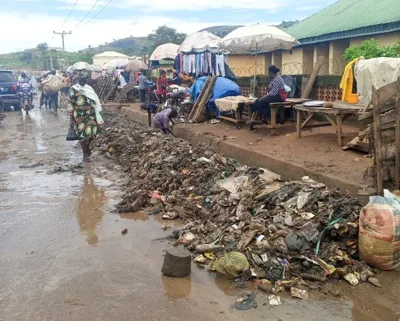
Amnesty International and seven partner organisations have called on Shell Plc to take responsibility for decades of environmental damage in the Niger Delta, citing internal company documents that reveal safety failures and delayed clean-up efforts. The coalition, including The Corner House, Hawkmoth, HEDA Resource Centre, Kebetkache Women Development & Resource Centre, Miideekor Environmental Development Initiative (MEDI), ReCommon, and Social Action, released a report titled 'Nigeria: Lifting the Lid' on Wednesday. It draws from 27 redacted internal Shell documents made public in April 2026 through UK legal proceedings initiated by the Ogale and Bille communities in 2015 over oil pollution. The documents show Shell was aware of structural failures in pipelines and oil wells, exempted its Nigerian subsidiary from certain safety standards, and postponed decommissioning ageing infrastructure despite known risks.
The report states that pollution has damaged water sources, farmland, fisheries, health, and livelihoods across the region, with 375 km² of mangrove forest affected. It alleges Shell opted to divest its onshore operations in Nigeria instead of covering an estimated US$10.9 billion in clean-up and decommissioning costs. Isaac Osuoka, Director at Social Action, said Shell's divestment should not become a way to avoid accountability, warning that risks must not be shifted to communities or a buyer with questionable capacity. Olanrewaju Suraju, chairman of HEDA Resource Centre, stressed that Shell cannot profit from Niger Delta oil and leave behind pollution without remedy. The Bille case is set to be heard in March 2027. Shell has denied wrongdoing, responding to Amnesty International on 3 July that the portrayal of the company does not reflect its values of integrity and ethical conduct. The company maintains its commitment to transparency, while Amnesty notes Shell has historically attributed pollution to oil theft and sabotage.
Shell faces scrutiny for seeking to exit Nigerian operations while leaving behind massive environmental liabilities it once acknowledged. If the company transfers ageing infrastructure to a buyer without securing clean-up funds, affected communities may bear long-term costs. The outcome of the UK litigation could determine whether Shell is held financially accountable for past operations.
Editorial note: AI-assisted opinion, not established fact. Full disclaimer →