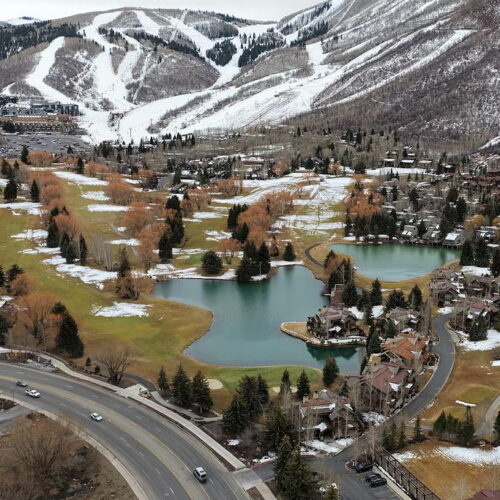
A severe snow drought in the Western United States has left many ski resorts struggling to stay afloat. The region's water supply is also under threat, with temperatures soaring to record highs. In Idaho, where temperatures hit the low 80s Fahrenheit in mid-March, water managers are worried about the impact on summer supplies. The same heat dome that affected Idaho also sent temperatures soaring to 105 F in Phoenix.
The region's snowpacks, which act as natural reservoirs of water, are far below historical averages. According to data from the U.S. Department of Agriculture's Natural Resources Conservation Service, only five out of approximately 70 river basins in the Western U.S. are at or above the 1991-2020 median snow water equivalent. Most of these are clustered around the Yellowstone region of western Wyoming and eastern Idaho.
The headwaters of critical rivers, including the Colorado, the Columbia, and the Missouri, are experiencing severe snow droughts. Other indicators of snow water storage and ecosystem health also point to a dire situation. The region's high temperatures have meant that much of the precipitation has fallen as rain instead of snow, exacerbating the problem.
The consequences of this snow drought are far-reaching, with many ski resorts forced to shut down early due to a lack of snow. Fire officials and water supply managers are also on high alert, as the region's water supplies are under threat.
The severe snow drought in the Western United States serves as a stark reminder of the impact of climate change on global water supplies. As the world's population continues to grow, ensuring access to clean water becomes increasingly crucial. While there are no direct implications for Nigeria's tech sector, the story highlights the need for innovative solutions to address the challenges posed by climate change.